

Travel advice
The Most Popular Christmas Markets in Europe

The Most Popular Christmas Markets in Europe

Avatar del autormarketingen
4 minutes read

The air is filled with the delightful scents of mulled wine, streets adorned with twinkling lights, and a contagious festive spirit – welcome to the enchanting season when Europe adorns itself in a winter wonderland, showcasing its renowned Christmas markets. Join us on a journey of festive delights as we unwrap traditions and explore the finest Christmas markets across the continent. From the charming stalls of Strasbourg to the imperial elegance of Vienna, each market shares a tale of holiday joy and cherished customs. Embark on this yuletide adventure with us and discover the captivating magic that makes these markets cherished annual spectacles for locals and globetrotters alike. Enjoy the festive season with the best Christmas markets in Europe! Best Christmas Markets in Europe 1. Strasbourg, France – Capital of Christmas Renowned as the “Capital of Christmas,” Strasbourg proudly hosts one of Europe’s oldest and most iconic Christmas markets. As the Grande Île undergoes a mesmerizing transformation into a winter wonderland, visitors are greeted with a delightful array of handcrafted ornaments, festive treats, and the irresistible scent of cinnamon and spices. For additional details, don’t hesitate to explore the market’s website, where you can find more information to enhance your festive experience. Embark on a journey through the enchanting streets of Strasbourg and immerse yourself in the festive charm that has made this Christmas market a beloved tradition for generations. 2. Cologne, Germany – Cathedral Splendor Cologne’s Christmas market, set against the stunning backdrop of Cologne Cathedral, is a must-visit. The air is filled with the melodies of Christmas carols as you explore the charming stalls, offering everything from wooden toys to delectable gingerbread cookies. 3. Vienna, Austria – Imperial Elegance Embark on a journey of imperial elegance in Vienna, where Christmas markets grace the city squares with their festive allure. From the regal Schönbrunn Palace market to the classic charm of the Rathausplatz market, Vienna’s yuletide spirit stands unparalleled in its grandeur. Should you desire more information to enhance your festive experience, feel free to explore the market’s website. Immerse yourself in the timeless traditions and enchanting atmosphere of Vienna’s Christmas markets, where imperial elegance meets the magic of the season 4. Prague, Czech Republic – Fairytale Ambiance Prague transforms into a winter fairytale during Christmas, with its markets exuding old-world charm. Nestled in the historic Old Town Square, vendors showcase traditional Czech handicrafts, creating an atmosphere straight from the pages of a storybook. 5. Brussels, Belgium – Winter Wonders Brussels hosts the Winter Wonders Christmas market, turning the city into a magical realm of lights and festivities. From the iconic Grand Place to the enchanting Ferris wheel, the market offers a blend of tradition and modern celebrations. 6. Stockholm, Sweden – Nordic Delights Experience the charm of a Scandinavian Christmas in Stockholm. The city’s markets, such as the one in Gamla Stan, offer Nordic delights like smoked reindeer and intricate handmade crafts against the backdrop of snow-covered streets. 7. Budapest, Hungary – Thermal Baths to Yuletide Markets Budapest adds a unique twist to Christmas festivities with markets set against the backdrop of its famous thermal baths. After a relaxing soak, explore the stalls offering Hungarian specialties, making it a one-of-a-kind Yuletide experience. Unwrap the Magic Responsibly: Don’t Forget Your Travel Insurance! Discover our insurance plans here As you meticulously plan your magical journey through Europe’s most popular Christmas markets, it’s crucial to acknowledge that unexpected surprises can happen. To ensure your trip is worry-free, consider securing comprehensive travel insurance. Our specially crafted plans offer coverage for any unforeseen events, ranging from travel delays to medical emergencies. Additionally, with our seamless protection, you can focus on savoring the festive moments without the burden of uncertainties. Explore our Travel Insurance Options and Travel with Peace of Mind! Unwrap the magic of Europe’s Christmas markets while safeguarding your festive adventure. Choose our travel insurance for a worry-free holiday season. ‘Tis the season to travel safely and make memories that will last a lifetime! Itinerary to complement your Christmas market trip Many European countries offer snow adventures. Here at IATI, we love enhancing Christmas market visits with nearby places for snow-filled fun. Take advantage of our guide todiscover the best snowy destinations in Europe with everything you need to know.

Read more
Travel Guide for the USA

Travel Guide for the USA

Avatar del autormarketingen
9 minutes read

Welcome to the USA, a land of diverse landscapes, vibrant cities, and cultural experiences. Whether you’re planning a cross-country road trip, a visit to iconic landmarks, or a leisurely exploration of one of the fifty states, this comprehensive “Travel Guide for the USA” is your go-to resource for making the most of your journey. In this guide, we’ll delve into the key aspects of travelling in the USA, from choosing the best time to visit to exploring the most popular destinations, understanding the culture, and staying safe with travel insurance for the USA. 1. Best Time to visit the USA If you haven’t chosen the time of year you want to travel yet, we’re going to tell you all about the best highlights of each season in this travel guide for the USA. Bear in mind that the USA is a huge country and here we’re just giving you an overview of each season and some highlights of the festivities you can catch. 1.1 Spring From March to May, the country comes alive with vibrant colours as flowers bloom and trees regain their leaves. The weather varies greatly depending on the region you plan to visit, so let’s explore the best springtime destinations: Cherry Blossom Festival in Washington, D.C: In late March to early April (2024 dates – March 20th to April 14th), the nation’s capital celebrates the National Cherry Blossom Festival. The Tidal Basin comes to life with thousands of pink and white cherry blossoms, creating a breathtaking backdrop for events and parades. Spring Skiing in Colorado: For those who love winter sports, the ski resorts in Colorado, like Aspen and Vail, often have ideal conditions well into April. Enjoy the slopes and then soak up the sunshine in the charming mountain towns. Spring Training Baseball: If you’re a baseball enthusiast, spring is the time to catch Major League Baseball’s spring training. Head to Arizona or Florida to watch your favourite teams prepare for the upcoming season in a more relaxed atmosphere. 1.2 Summer Summer in the USA is synonymous with long sunny days, outdoor festivals, and family vacations. The season typically runs from June through August, and it’s the perfect time for a variety of adventures: Beach Bliss: The coastal states, such as California, Florida, and the Carolinas, offer miles of stunning beaches. Whether you’re looking for a relaxing sun-soaked holiday or water sports, you’ll find it here. Don’t forget to pack your swimsuit and sunscreen! National Park Exploration: The national parks across the USA are at their prime during the summer months. Yellowstone, Yosemite, and the Great Smoky Mountains are just a few examples of parks with magnificent hiking trails and wildlife encounters. Independence Day Celebrations: July 4th is Independence Day, and it’s celebrated with an array of fireworks, parades, and patriotic festivities. The biggest and most famous celebration is in Washington, D.C., where you can witness a fireworks display over the National Mall. 1.3 Fall As the summer heat gives way to cooler temperatures, the USA’s landscapes transform into a tapestry of red, orange, and gold. The fall season, spanning from September to November, offers a unique charm, here are some highlights: Leaf Peeping in New England: The northeastern states, particularly Vermont, New Hampshire, and Maine, are renowned for their stunning fall foliage. Take a scenic drive or hike through the mountains. Harvest Festivals: Fall is also a time for harvest festivals. Apple picking, corn mazes, and pumpkin patches are waiting for you. Head to the Midwest or visit the wine country of California for some of the best festivities. Halloween Extravaganza: If you’re in the USA in late October, don’t miss the spooky celebrations. Salem, Massachusetts, famous for the witch trials, offers a unique Halloween experience, while cities like New Orleans host vibrant festivities. 1.4 Winter Winter in the USA varies significantly depending on where you are. The northern states experience cold temperatures and snow, making it perfect for winter sports, while the southern states enjoy milder weather. Here are some winter activities to consider: Skiing and Snowboarding: Head to ski resorts in states like Colorado, Utah, and Vermont for world-class skiing and snowboarding. The snow-covered mountains provide a breathtaking backdrop for winter sports enthusiasts. Holiday Magic in New York City: New York City is a winter wonderland during the holiday season. The lighting of the Christmas tree at Rockefeller Center, ice skating in Central Park, and the magical displays in store windows create an enchanting atmosphere. Southern Sunshine: If you prefer warmer winter getaways, explore the southern states like Florida, Arizona, and Texas. Enjoy mild temperatures, outdoor activities, and fewer crowds compared to the peak summer season. In this travel guide to the USA, we didn’t include any destination suggestions, but if you want to know which destinations are our favourites consider reading: The best cities in the USA. 2. Planning your USA adventure A successful journey across the USA requires careful planning. From crafting a well-thought-out itinerary to ensuring you have the right accommodations, transportation, and financial preparation, your planning efforts can make all the difference in your trip’s overall experience. 3.1 Step one: Creating an Itinerary One of the first steps in planning your USA adventure, after figuring out where you want to go, is creating a detailed itinerary. Start by deciding which destinations you want to visit and how long you’ll spend at each. Take into account the time of year and any special events or festivals happening during your visit. While spontaneity can add a sense of adventure to your trip, having a rough plan ensures you don’t miss out on must-see attractions and helps you make the most of your time. Consider using travel apps and websites to help organize your itinerary. These tools can assist you in scheduling activities, making reservations, and providing real-time information on local events and weather conditions. 3.2 Step two: Accommodations The USA offers a wide range of accommodation options to suit various preferences and budgets. Depending on your travel style, you can choose from: • Hotels: From luxury hotels in major cities to budget-friendly chains in suburban areas, hotels offer comfort and convenience, especially in terms of breakfast or dinner. • Motels: These are often found along highways and are suitable for road trips. • Vacation Rentals: Platforms like Airbnb and VRBO offer private homes and apartments, ideal for families or those seeking a home-away-from-home experience, and a more friendly option compared to hotels. It is also a good option if you want to save money on meals since you can go to supermarkets and cook your food. • Hostels: If you’re travelling on a budget and don’t mind shared facilities, hostels are a great choice for meeting fellow travellers. • Camping: National parks and forests offer campgrounds for outdoor enthusiasts looking for a more immersive experience. When booking accommodations, consider factors like location, amenities, and reviews from previous guests. Make reservations well in advance, especially during peak tourist seasons. 3.3 Step three: Transportation Transportation is a crucial aspect of your USA travel planning and that is why we included it in this travel guide to the USA. Depending on your itinerary and preferences, you have a multitude of transportation options to choose from. If you’re embarking on a road trip, renting a car offers the flexibility to explore at your own pace, but ensure you have a valid driver’s license and familiarize yourself with local traffic laws, if you want to know more about the documents and requirements to travel to the USA read our blogpost. In major cities, public transportation, including buses and subways, provides a convenient and cost-effective way to get around. For covering long distances, domestic flights are a viable option given the extensive network of airports. When selecting your transportation method, tailor it to your specific itinerary and the distances you need to cover, and don’t forget to make reservations for long-distance travel while researching local transportation options in advance to make sure you don’t have any nasty surprises. 3.4 Budgeting Managing your finances during your trip is essential. The USA can be expensive, but with careful budgeting, you can make the most of your adventure without breaking the bank. Consider these budgeting tips: • Create a daily spending budget and stick to it. • Take advantage of discounts and deals on attractions and activities. • Cook some of your meals or opt for affordable dining options. • Use a travel-friendly credit card to earn rewards or cashback on your expenses. • Keep a contingency fund for unexpected expenses. 3.5 Travel Insurance: Keep your travels safe Travel insurance is a crucial part of your USA adventure. It provides peace of mind by protecting you against unexpected events such as trip cancellations, medical emergencies, lost luggage, or travel delays. Additionally, consider purchasing insurance that includes adventure activities coverage if you’re planning on engaging in adventurous experiences like skiing, hiking, or water sports. Remember that having comprehensive travel insurance can be a safety net that ensures you have a worry-free and enjoyable journey. If you want to know thebest travel insurance for the USA , click here. 4. Usefull information for travelling to the USA Currency The currency used in the USA is the United States Dollar (USD). You’ll find denominations of coins (pennies, nickels, dimes, quarters) and paper bills ($1, $5, $10, $20, $50, and $100). Credit and debit cards are widely accepted in most places, but it’s advisable to carry some cash for small purchases in case you visit locations where card payments are less common. ATMs are readily available, allowing you to withdraw cash in local currency. Tipping Culture Tipping is an integral part of the service industry in the USA. It’s usual to leave a gratuity for service providers in restaurants, bars, hotels, and other service establishments. In restaurants, a standard tip ranges from 15% to 20% of the total bill. For exceptional service, you can choose to tip more. Bartenders, taxi drivers, and hotel staff also rely on tips as part of their income, so it’s essential to be mindful of this practice when travelling in the USA. Other tips Stay connected by purchasing a SIM card or an international data plan for your phone, as staying in touch and having access to maps and translation tools can be invaluable. Additionally, be mindful of the voltage and power outlets, which are typically 120V with two-pin plugs, so bring the necessary adapters for your electronic devices. Finally, keep essential documents such as your passport, travel insurance, and a printed copy of your itinerary in a secure place, and consider making digital copies as a backup. As we conclude this travel guide for the USA, we hope you are now well-equipped to embark on your journey with confidence and enthusiasm. The USA offers a vast and diverse landscape of experiences, from the bustling streets of iconic cities to the serene beauty of national parks. Don’t leave without checking out our articles on the USA: • Documents and requirements for travelling to the USA • The best cities in the USA • Travel Insurance to the USA • Top 10 things to do in Hawaii

Read more
What to do in Florence: 10 must-sees

What to do in Florence: 10 must-sees

Avatar del autormarketingen
4 minutes read

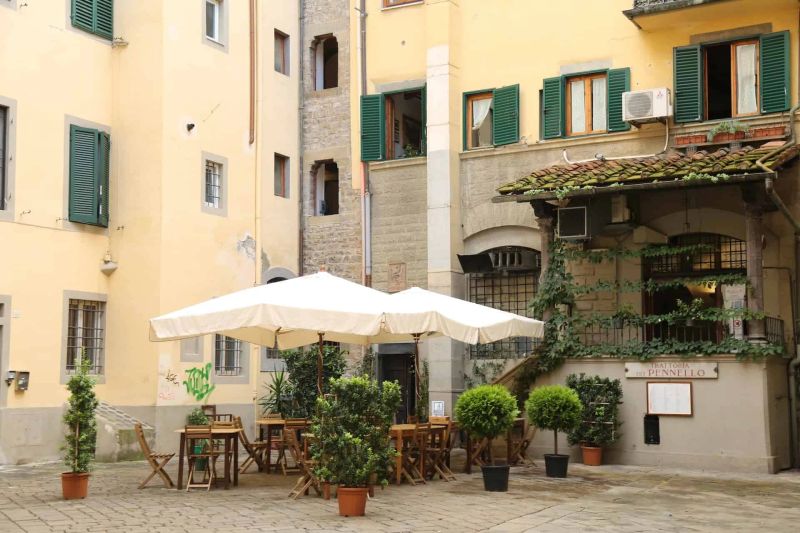
In Italy, it’s hard not to fall head over heels for its stunning scenery, food, and cities bursting with history. That’s why, at IATI Travel Insurance, we’re excited to recommend exploring all the wonders Florence has to offer – it’s one of Italy’s most beautiful cities and the birthplace of the Renaissance. What to do in Florence • Visit the Duomo and marvel at its dome. It took 170 years to build, mainly due to the dome’s complexity. The dome is the cathedral’s true gem, so be sure to go up and get a closer look. • Climb Giotto’s Bell Tower (Campanile di Giotto) for incredible views. This bell tower rises over 80 meters high, and you’ll need to conquer 414 steps to reach the top. It’s not for the faint-hearted, but the effort is well worth it. • Take a leisurely walk around the Baptistery and discover the Gates of Paradise, a celebrated Renaissance masterpiece. • Explore the vast Santa Croce Basilica, the world’s largest Catholic and Franciscan church. It’s located in charming Piazza Santa Croce and can get quite lively on warm summer evenings. • Marvel at the Uffizi Gallery, home to the world’s finest collection of Renaissance paintings. Consider a guided tour to immerse yourself in the Medici family’s artistic legacy, as they entrusted these treasures to Florence with the condition that they remain in the city. • Don’t miss a stroll across the iconic Ponte Vecchio. It’s a must in Florence, not only for its impressive architecture but also for the many jewellery shops on both sides of the bridge. • In the past, the shops that now display luxury goods were once meat and fish markets. When the Vasari Corridor was built over the bridge, connecting the Pitti Palace to the Vecchio, they aimed to enhance the bridge’s status and banned the sale of animals. • Explore Florence’s largest building, the Pitti Palace. Similar to the Uffizi, this palace was owned by the Medici family, and some of their art collections are on display inside. This complex includes five museums and the expansive Boboli Gardens. • Capture a photo of Michelangelo’s original David at the Galleria dell’Accademia. The marvel of this five-meter-tall sculpture is that the artist sculpted it using only a chisel. Another fun activity in Florence is hunting for replicas of this sculpture. You can find one in Piazza della Signoria and another in Piazzale Michelangelo. • Visit Piazza della Signoria, Florence’s historic square. Throughout history, it has been a central place for public buildings and gatherings, including festivals, protests, and even executions. In this square, you’ll discover two of Florence’s most famous landmarks: the Palazzo Vecchio and the Loggia della Signoria. • The former was built as the city’s government seat and still serves that purpose today. The Loggia is an open-air area adorned with sculptures from the Medici collection. • When considering what to do in Florence, be sure to spend an evening witnessing the sunset at Piazzale Michelangelo. It offers the city’s best views, and the sunset ambience is truly unmatched. While it can get crowded with tourists, the magic remains undiminished – there’s enough space for everyone! What to Eat in Florence: • Enjoy Bistecca alla Fiorentina with a Fine Chianti Wine: Bistecca is a thick, juicy beef steak grilled to perfection. It’s a treat for meat enthusiasts, typically weighing around a kilogram and served rarely. Chianti wine, on the other hand, is one of Tuscany’s and the world’s most prestigious red wines. • Experience a Traditional Italian “Aperitivo”: While in Florence, take a stroll through Oltrarno’s charming streets, explore its quaint bookshops, and soak in the lively market atmosphere before sunset. “Aperitivo” is Italy’s version of after-work drinks. Leave your work behind, order an Aperol Spritz cocktail, and savour a buffet of delicious Italian dishes. Can you think of a better way to spend your late afternoon? • Indulge in Italian Gelato: When in Italy, indulging in gelato is a must. In Florence, we recommend trying Vivoli for classic gelato flavours. Alternatively, at Cantina del Gelato, you’ll discover more adventurous options like Gorgonzola cheese and walnut or goat cheese flavours. Can you think of anything else to do in Florence that we shouldn’t miss? Use the hashtag #iatiworldwide in your photos and share with us! We can’t wait to see pictures of one of the most beautiful and artistic cities in Europe!

Read more
What to do in Zanzibar: the best experiences

What to do in Zanzibar: the best experiences

Avatar del autormarketingen
7 minutes read

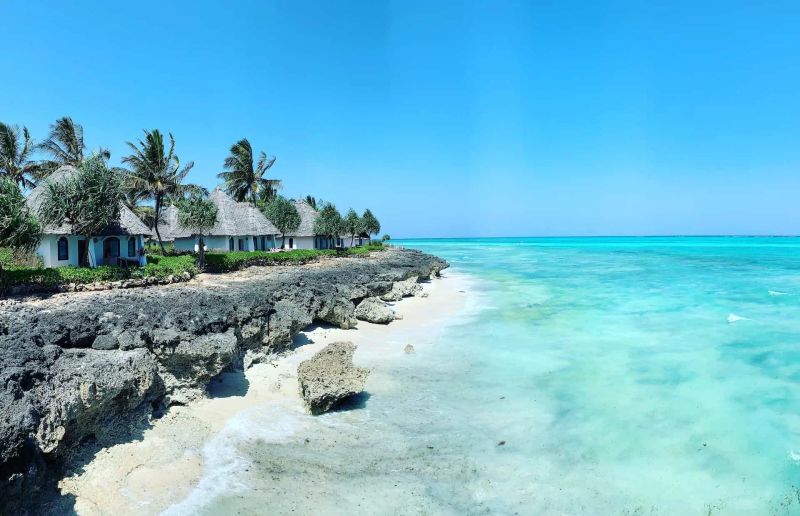
Fancy a trip to one of the most desirable destinations in the Indian Ocean? Perfect! Today, on the IATI blog, we bring you a selection of the best experiences you can have in Zanzibar. Enjoy spectacular white sandy beaches, with the sea displaying hundreds of shades of blue and green. You’ll find luxurious resorts, diverse seabeds, and unique endemic species. Just remember that in Zanzibar, everything works at a relaxed pace, or in other words, little by little. So, leave the rush and stress at home because you’re heading to paradise. A place where all problems are solved with a Hakuna Matata. Getting to Zanzibar A 20-minute flight on a small plane with 12 seats awaits you, bringing an island half the size of Majorca right to your feet. Undoubtedly, this short journey is the best introduction to this African pearl, located 36 kilometres off the coast of Tanzania. While the island can be accessed from various international airports, most travellers take off from Dar es Salaam (Tanzania) and fly over the ocean to reach Zanzibar. Alternatively, ferries depart from Dar es Salaam harbour. Fast ferries take about 2 hours, and slower, more affordable ferries take 4 hours. The official ticket offices are located at the Azam Marine-Coastal Fast Ferries building. Enjoying life on dream beaches Driving on bumpy roads has its rewards: access to Zanzibar’s stunning beaches, which are considered by many as the best in Africa. The most beautiful ones are concentrated on the East Coast. Long stretches of white sand, sheltered by coral reefs and adorned with slender palm trees, extend from Nungwi, one of the main tourist spots on the northern tip of the island—where you can observe dhows being built—to Jambiani, a beach famous for the incredible turquoise hues of its waters. Take note of these names: Kendwa, located very close to Nungwi and perfect for swimming; Pongwe, a quiet and uncrowded beach; Matemwe, boasting a lively village and fine sand; and Paje, an ideal spot for kitesurfing. However, keep in mind that swimming in the warm waters of the Indian Ocean always depends on the tide. Precisely on these beaches, you can book all the excursions we are going to recommend and even customize them to your liking by negotiating with the staff. Another option to book these excursions is to go through a local agency. Sail aboard a dhow cruise in Menai Bay One of Zanzibar’s most popular activities is sailing around Menai Bay, a marine reserve in the southwest, dotted with picture-postcard sandbanks, mangroves, and coral reefs. You’ll embark on this adventure aboard a dhow, a sailing vessel of Arab origin that once transported goods and now carries travellers with the soul of explorers. The plan for the trip: snorkel, sunbathe on an uninhabited islet, stop for lunch – usually a barbecue buffet and fall in love with this corner of Zanzibar, which has been protected since 1997. A tip? If the tide is low, you’ll have to walk to the boat, so be sure to pack a waterproof rucksack and closed shoes. Safe travelling in Zanzibar This incredible African paradise awaits you with a wide variety of things to do. That’s why it’s essential to be able to enjoy them, knowing that if anything happens, you’ll always be in the best hands. It is extremely important to have travel insurance for Zanzibar that protects you from the beginning to the end of this experience. IATI Backpacker (click here if your country of residence is within the European Union; click here if your country of residence is not part of the European Union) offers the best insurance for this demanding destination, and thanks to its extensive coverage, it will take care of you at all times. Whether you’re engaging in adventure sports like snorkelling, facing problems with your luggage, experiencing theft, dealing with transportation issues, or requiring high medical coverage, IATI Backpacker has you covered. So choose to enjoy this destination with peace of mind, travel with confidence, and get your insurance now. Explore Stone Town in search of Zanzibar’s soul It would be unforgivable to travel to Zanzibar without stopping in Stone Town, the old town of its capital. It is a fascinating maze of narrow streets, declared a World Heritage Site, which witnessed the passage of various cultures that sought to conquer the island. Admire its famous wooden gates carved with large brass pieces, once used to deter elephants. Explore the vibrant Darajan market, where life goes on untouched by tourism. Visit the old Omani fort, the Persian baths, and the houses made of peeling coral stone. Take a stroll in the lively Forodhan Gardens and discover the historic House of Wonders and the Anglican Cathedral. The eerie cells of the former slave market serve as a poignant reminder that this island was once the main slave-trading center in Africa. Notably, this is the birthplace of Freddy Mercury, making it well worth leaving the Dolce far niente of the beach for a few hours. A word of advice: try to avoid the papacy, the unofficial guides who will attempt to convince you to hire their services. From Stone Town, you can take a boat to Prison Island, which has a significant historical past as a slave prison and quarantine centre for the sick. Today, it has transformed into a nature reserve housing giant tortoises that were brought from Seychelles in the late 19th century. Walk through Jozani Forest to see the last red colobus monkeys You shouldn’t leave the island without visiting Jozani Forest because it is the only place in the world where you can find the red colobus monkey, a species at serious risk of extinction. Approximately 2,300 of these monkeys live here, and they are pretty accustomed to the presence of tourists, making it a unique and unforgettable experience. Additionally, Jozani Forest is the last remaining rainforest stronghold in Zanzibar, adding to its significance. However, due to the high humidity and usually hot weather, the forest is prone to mosquitoes. To enjoy your visit comfortably, we recommend wearing trousers and a long-sleeved T-shirt, applying mosquito repellent, and carrying water to stay hydrated. The guided tour, lasting about 2 hours, will take you through mangroves, alongside substantial mahogany trees and sycamores, allowing you to discover the great ecological value of this area. While there is a small coffee shop available, it’s a good idea to bring your water for additional refreshment. Make sure to explore Jozani Forest to see the last red colobus monkeys and appreciate the remarkable natural beauty of this unique ecosystem. Eat or Drink at The Rock Indulge in a unique dining experience at The Rock, a small luxury restaurant perched on a rock that can only be reached by boat at high tide. While it may be a popular spot featured in countless Instagram galleries, it offers an unforgettable culinary adventure. We can’t deny that it’s a touristy destination, but the quality of the food and the exceptional location make it a worthwhile experience. Situated opposite Michanwi Pingwe Beach and surrounded by the enchanting beauty of the Indian Ocean, dining at The Rock is a truly magical experience. Visit a Spice Plantation In the 19th century, during the Sultanate of Oman’s reign, Zanzibar flourished in a golden age, fuelled by the trade in cloves and other spices. While its significance in the national economy has diminished today, there are still plantations in the centre of the island that you can visit during an excursion. There, you’ll have the opportunity to learn about the culinary and therapeutic properties of spices like the ubiquitous cloves, as well as vanilla, black pepper, cinnamon, nutmeg, and cardamom, and discover exotic tropical fruits you might not be familiar with. The visit only takes a few hours, so if you’re up for it, you know what to do. Snorkelling or Scuba Diving at Mnemba Atoll For snorkelling enthusiasts, the enchanting seabed you’re seeking lies at the atoll of the tiny Mnemba Island, Zanzibar’s most famous marine protected area. Prepare to be amazed by vibrant coral reefs, schools of tuna, barracuda, colourful fish, and even the chance to spot green turtles and dolphins. It’s the perfect activity to discover that the underwater beauty of this island is just as fascinating as the beauty on land. Collecting Stunning Sunsets Whether you’re in the gardens of Forodhani, on a secluded desert islet, lying in a hammock, or sipping a cocktail at a resort, it doesn’t matter where you are in Zanzibar; you’re in for an unforgettable treat. Zanzibar’s sunsets are some of the most breathtaking you’ll ever witness. As the sun slowly descends, the sky transforms into vivid shades of red and orange, while the sand glistens with a golden glow. The beauty is simply mesmerising. If you find yourself wishing to stop time and make these sunsets last forever, don’t worry, you’re not alone. We’ve all yearned for the same magical experience. What do you think about this variety of things to do in Zanzibar? We’re sure you can’t wait any longer to go to this paradise! Let’s go!

Read more
The best cities in the USA

The best cities in the USA

Avatar del autormarketingen
6 minutes read

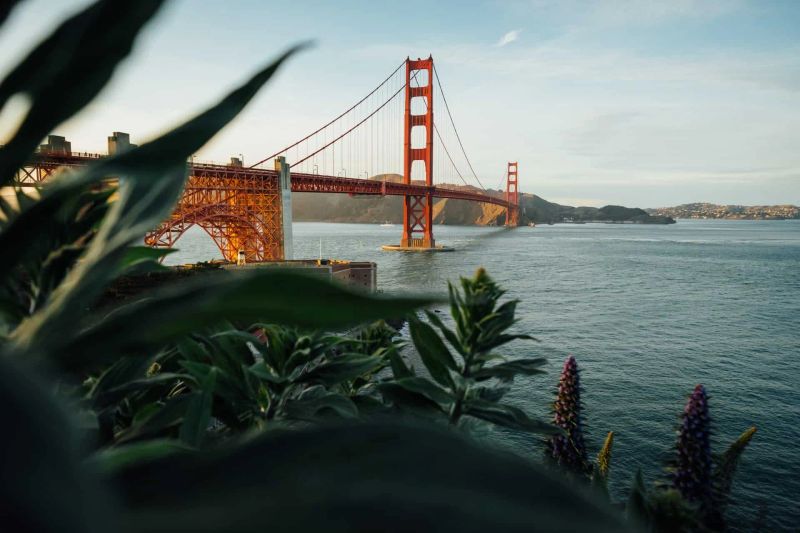
What are the best cities in the USA? You might be asking yourself this question if you’re planning a trip to the USA. The North American country has incredible national parks, beaches, theme parks, and epic travel routes, but which cities are worth visiting? At IATI, experts in travel insurance for the United States, we’ve decided to tell you about the best cities in the USA so that you don’t forget to include them in your next adventure’s must-visit list. Let’s go! Los Angeles We begin this journey through the cities of the USA with one of the most well-known: Los Angeles. The birthplace of cinema will surprise you with places as familiar as Hollywood Boulevard, home to the famous Walk of Fame, the mansion-filled neighborhood of Beverly Hills, and the beach huts of Santa Monica made popular in the movie Baywatch. If you’re in the mood for the beach, Los Angeles is one of the best cities in the USA for a dip, with Venice Beach and Santa Barbara nearby – there’s so much to do in Los Angeles! On the other hand, whether you’re traveling to the United States with children or you’re a bit older but still a fan, there are several theme parks in Los Angeles that are already waiting for you. San Francisco San Francisco is not only a good starting or ending point for the fabulous Route 66, but it’s also one of the cities in the USA that you must visit. Since there’s so much to see and do in San Francisco, we recommend spending at least 3 days there. Known for the spectacular Golden Gate Bridge, don’t miss the opportunity to visit the Fisherman’s Wharf area and greet the colony of sea lions at Pier 39, learn about the history of Alcatraz Island (book your ticket in advance, they sell out months ahead!) and ride one of the traditional cable cars to conquer the steep hills of San Francisco while falling in love with its Victorian-style houses. Furthermore, out of all the cities in the United States, San Francisco has, in our opinion, the most interesting Chinatown of them all. Get lost in the streets of Chinatown and, when you get hungry, make sure to stop by places like Good Mong Kok Bakery or Great Eastern – you’ll be thankful! By the way, if you want to venture off the beaten path, visit Sausalito on the other side of the Golden Gate Bridge. This relaxed residential area is a charming spot to dine with a view of the sea – don’t miss it! New York It would be a true sin not to include one of the most visited cities in the USA in a list of the best: New York. You will never have enough days to make the most of the Big Apple – there’s just too much to do in New York! That’s why we advise you to reserve at least 5 days so you don’t leave with the feeling of having seen only a quarter of what it has to offer. A good way to start your visit is by exploring some of the best viewpoints in New York, so you can get an idea of where the places you’ve seen so many times in the movies are located. After that, there are iconic sites like the Statue of Liberty, the Brooklyn Bridge, and Central Park, but don’t strictly follow the guides – the best of New York is in its neighborhoods. Take a stroll through Williamsburg, Brooklyn, the Meatpacking District, for example, and let yourself be surprised by life in New York. Traveling Safely to the United States As you’re aware, the USA is one of the most expensive countries in the world for healthcare. That’s why it is extremely important having travel insurance for the USA that protects you from beginning to end. IATI Total Comfort is the best insurance for this destination, and thanks to its extensive coverage, you will be in the best hands both in cases of health issues and incidents related to theft, baggage, and others, such as flights. Don’t wait any longer and get your insurance now to travel with the security you deserve. Boston Boston is one of the most historic cities in the USA. The birthplace of American Independence awaits you to learn a great deal about the country. Whether you’re coming from New York or staying overnight, don’t underestimate the city – there’s a lot to do in Boston! The best way to take a historical tour that covers all the main sites is to follow the Freedom Trail and the Black Heritage Trail. These are marked routes where you’ll find explanatory panels that will help you understand the historical significance of Boston. On the other hand, this American city is known as the capital of knowledge. Apart from being the headquarters of many tech companies, it’s home to two important and prestigious universities: Harvard and MIT (Massachusetts Institute of Technology). If you’re curious, don’t miss the chance to visit their campuses! Washington D.C. How could we make a list of the best cities to visit in the United States without including its capital? Washington D.C. hosts some of the country’s most iconic landmarks, including the Capitol, the White House, and the Washington Monument. Many travelers visit them on a trip starting from New York. Considering everything there is to see in Washington, we encourage you to stay for at least one night and enjoy the Smithsonian Museums, which we promise you won’t be disappointed with. Miami They say Miami is the most Latin city in the USA, and they’re not wrong! It’s not uncommon to hear Spanish wherever you go. We recommend reserving at least three nights to enjoy the city. You’ll appreciate the street art in Wynwood, major museums like the Pérez Art Museum Miami, the Art Deco buildings of Ocean Drive, and of course, beautiful beaches that have little to envy to those of many Caribbean islands. Las Vegas Las Vegas is, of all the cities to visit in the USA, the wildest of them all. It’s the capital of gambling and you’ll see for yourself that “what happens in Vegas, stays in Vegas.” Walk along the Strip and you’ll be amazed by the extravagant architecture of its resort casinos, but when you step inside, you’ll be awestruck by the grandeur of its casinos, shops, and food buffets. The options for entertainment and hospitality are enormous, and you could spend several days enjoying the best things to do in Las Vegas. However, don’t hesitate; take advantage of being close to the Grand Canyon to make a trip to one of the most impressive tourist attractions in the United States. Chicago To wrap up this selection of American cities to visit, we present you with Chicago, the “Windy City.” Located on the shores of Lake Michigan, Chicago is considered a landmark in architectural history as the first skyscrapers were built here. Thus, we encourage you to ascend one of its observation decks. The 360 Chicago and Skydeck Chicago are the best, and the sunset views are simply epic. imagem Are you thinking about visiting any of these cities in the United States? With all the tips we’ve just provided, we’re sure that choosing will be a bit easier for you. And because we want your trip to be perfect, we’ve prepared these 2 guides that will be essential for you to organize your journey. Don’t miss them: • Travel Insurance for the USA 2023 • Documents and requirements for travelling to the USA

Read more
Travelling alone to Southeast Asia – is it safe?

Travelling alone to Southeast Asia – is it safe?

Avatar del autormarketingen
13 minutes read

If you’re thinking about travelling alone to Southeast Asia, welcome! Here, you will find the energy boost you need for what could be the most incredible adventure of your life. After many years of travelling alone in Southeast Asia, I can tell you that it will be an experience that changes the way you see the world. I decided to travel alone for the first time, starting in Thailand, and it was one of the best decisions I have ever made. I had the good fortune to travel the vast majority of Southeast Asia alone (except for Brunei and East Timor), and I would do it again. Spoiler alert: Southeast Asia is safe to travel alone and a real treat. From my perspective, it’s the best place in the world to start. Throughout this article, I’ll tell you why and provide tips and suggestions. Of course, like anywhere in the world, you need to be cautious and travel with the best insurance for Southeast Asia, IATI Backpacker (click here if your country of residence is within the European Union or click here if your country of residence is not part of the EU). Follow me and find out what it’s like to travel alone in Southeast Asia, along with tips from a female traveller. Why travel alone to Southeast Asia? Is it safe? Is it worth it? These are the three questions most frequently asked by women considering travelling alone to Southeast Asia. To sum it up quickly: this region of the world is one of the best places to start exploring solo, and it’s also incredibly safe and worth it. Let’s start with the reasons to ignite your wanderlust. The primary reason is that Southeast Asia is one of the most exotic, intriguing, evocative, and diverse regions on the planet to visit. It’s a stark contrast to Europe, and everything will feel new and captivating. From paradise beaches to temples and pagodas, spectacular marine life to impenetrable jungles, and breathtaking archaeological complexes like Angkor, Southeast Asia is a treasure trove of surprises! Like me, you could easily spend months (or even years) exploring the region and never grow tired of it. Whether you have a few weeks or several months, it’s a fabulous destination to disconnect, immerse yourself in entirely different cultures, and fulfil your travel cravings, whatever they may be. Although I’m sure you’re aware of this, travelling to Southeast Asia on your own is relatively inexpensive. What could be a drawback in other countries, such as not wanting to stay in hostels with shared dormitories, is reasonably affordable here, even for single rooms. You can find accommodations starting from €5 per night, and if you prefer taxis over public transport at times, they are also very affordable. In short, you’ll get more value for your money compared to other parts of the world, and you won’t have to worry about extra charges or peculiarities. Moreover, Southeast Asia is a popular destination for solo backpackers or digital nomads, so it is well-prepared to cater to their needs. If you’ve never travelled alone before and are concerned about feeling lost or getting bored, Southeast Asia offers options for all types of travellers. If you want to enjoy your trip alone and have some quiet time, you can do so. But if you feel like socializing and meeting new people, you can always stay in hostels or participate in activities and tours where you’re likely to find like-minded individuals. And even though it might surprise you, throughout all the years I’ve been travelling alone in Southeast Asia, I have consistently seen more women travelling solo than men. There’s a good reason for that! On the other hand, if there’s one place in the world where you can go with the flow, plan as you go, and experience the absolute freedom you desire, it’s Southeast Asia. The range of accommodation and transportation options is extensive and affordable, so there’s no need to pack everything in advance. Lastly, I understand that safety is your primary concern. While it’s important to always be cautious, rest assured that travelling alone in Southeast Asia is safe. I’ll provide more information on this below, but genuinely, don’t hesitate to embark on this adventure! Is it safe for a woman to travel alone in Southeast Asia? When considering Southeast Asia as an ideal destination for solo travel, one of the main reasons is that it is generally a very safe and peaceful part of the world. This is not to say that other places are not suitable for solo travel, but travelling alone in Southeast Asia can be less mentally burdensome and more relaxing. Violent crime in Southeast Asia is rare. While there is a possibility of petty theft or, in unlucky cases, robbery, such incidents are not common. Sexual assaults against female travellers are also infrequent. Additionally, women may not attract as much attention, even when wearing clothing that might stand out more in other countries. However, it’s important to note that this may vary from area to area, but as a general rule, women are not the focus of excessive attention. This does not mean that caution should be disregarded. It’s always advisable to trust your instincts, avoid walking in isolated areas (especially after dark), and take precautions with valuables. Remain vigilant for scams, and overcharging by taxi or tuk-tuk drivers, and be aware of the latest travel advisories issued by the Ministry of Foreign Affairs (or equivalent) of the countries you plan to visit, as they provide information on recent hazards and dangers. On the other hand, when it comes to health, I would advise you to exercise some caution. Falling ill while travelling alone can be a bit more challenging and worrisome. So, without being overly paranoid, it’s important to be careful and use mosquito repellent. Also, be aware that drinking tap water is not recommended, and choose restaurants or street stalls where you can see a good turnover of food. The quality of healthcare infrastructure varies depending on the location. In major cities or tourist destinations, you’ll find well-equipped hospitals and clinics staffed by trained doctors. However, in rural areas, there may be more deficiencies. To ensure peace of mind, it’s highly recommended to travel with a comprehensive travel insurance policy. I always choose IATI Backpacker (click here if your country of residence is within the European Union; click here if your country of residence is not part of the European Union), a policy that offers extensive coverage for medical expenses. Additionally, it provides coverage for accidents during activities you may want to try on your trip, such as diving, snorkelling, or scuba diving. Having such insurance will offer you reassurance and protection throughout your journey. Destinations for solo travel in Southeast Asia – where should you start? I’m sure I’ve already piqued your interest, but you’re probably wondering where to begin. The answer will depend on the amount of time you have and your personal preferences, as Southeast Asia is a vast region with numerous countries, some of which are massive or consist of numerous islands that would take a lifetime to explore fully. The climate is also a factor to consider. From my experience, I would advise against getting too fixated on this aspect, as the fact that it’s the rainy season in a country doesn’t mean that it will rain every day or all the time. Far from it! I could provide an extensive list of destinations in Southeast Asia that are great for solo travel, but ultimately, they are all fantastic choices. However, here are some ideas to kick-start your planning. If you have any questions, feel free to leave a comment below, and I’ll be delighted to assist you. 1. Thailand There’s no doubt about it – Thailand always ranks at the top of the list of destinations for solo travel and good reason. It’s a safe country that is well-adapted to tourism. Thailand is easy to navigate on your own, with abundant information available on the internet. It offers a wealth of cultural, culinary, and natural experiences, making it an ideal choice for a first solo trip to Southeast Asia. I began my solo journey here, and it served as a delightful and welcoming introduction to this style of exploring the world. 2. Indonesia Who doesn’t dream of indulging in the beauty of Bali and feeling like the star of the film Eat, Pray, Love? Beyond the allure of the movie, the “Island of the Gods” and the rest of the archipelago are truly a delight for solo travellers like us. With over 17,000 islands, Indonesia offers enough to keep you busy for multiple trips, but you have to start somewhere. My recommendation is to allocate at least three weeks for a journey encompassing the highlights of Java (Yogyakarta, Bromo, and Ijen), Bali, Nusa Penida, the Gili Islands, Lombok, and Flores. While Indonesia may present some logistical challenges, it remains one of the finest destinations for solo travel in Southeast Asia. It strikes a balance between being safe, affordable, and tourist-friendly, yet not overly saturated with tourists. Moreover, it offers a wide array of attractions to explore. And let’s not forget about the incredible food! 3. Malaysia Sitting between Thailand and Indonesia in terms of infrastructure development, Malaysia is an excellent country for solo travel in Southeast Asia. The transportation system, including buses, trains, and planes, is efficient, making it easy to navigate the country without long transfers, particularly in Peninsular Malaysia. I have been fortunate to explore Malaysia on several solo trips, and I highly recommend visiting places like Penang, Melaka, Kuala Lumpur, and Pulau Kapas. For diving enthusiasts, Sipadan in Borneo is a must-visit destination. 4. Philippines I can’t be impartial because, after Spain, the Philippines is the country where I have spent the most time and developed a special fondness for it. In my opinion, the Philippine archipelago is one of the best places in Southeast Asia to travel alone. Not only is it inhabited by charming people who also speak English very well, but it also offers everything you can imagine: the finest beaches in Asia, stunning underwater seascapes, Spanish heritage found throughout, ancient rice paddies dating back more than 2,000 years, and hidden paradises that remain undiscovered by many. 5. Vietnam I conclude this selection of destinations for solo travel in Southeast Asia with a truly exotic choice: Vietnam. This country has gained significant popularity in recent years and offers a cultural experience that will leave you in awe, along with stunning landscapes and unique adventures. Vietnam is home to the iconic Halong Bay, which you will fall in love with during a one- or two-night cruise. You can also explore the breathtaking rice paddies of Sa Pa, visit the charming city of Hoi An, or experience the bustling yet fascinating capital city of Hanoi. It is true that, compared to other Southeast Asian countries, the Vietnamese may be somewhat less welcoming, and you may encounter instances of rudeness. However, Vietnam is a destination that you should visit at least once in your lifetime. Tips for travelling alone to Southeast Asia Finally, I’ll provide some practical tips for travelling alone to Southeast Asia based on my experience: • The main tip: Avoid becoming fixated on seeing everything and trying to cover too many places. It’s better to explore fewer destinations more thoroughly than to rush through numerous places. Simply enjoy the experience rather than focusing solely on ticking off destinations. • Obtain comprehensive travel insurance for Southeast Asia, such as IATI Backpacker. Knowing that you have a team of professionals who speak your language backing you up, access to quality hospitals when needed, and coverage for activities like diving or trekking gives you confidence and peace of mind. • The longer, the better! If possible, extend your vacation to spend more time in Southeast Asia. Since you’re travelling a considerable distance, having more days allows you to fully immerse yourself and make the most of your experience. • Schedule an appointment at an international vaccination center 1 or 2 months in advance to receive health advice from a doctor. While there are recommended vaccinations for travel to Southeast Asia, it’s best to consult a healthcare professional for personalized advice. • Forget about consuming tap water, but you can rely on the drinking water stations available in most Southeast Asian countries. Many restaurants provide free drinkable water, which not only saves you money but also reduces plastic waste. • Indulge in street food. Not only is it more affordable than eating in restaurants, but it is also a significant part of Southeast Asian culture. Your stomach might take a couple of days to adjust, but you will soon adapt and thoroughly enjoy the experience. Whenever possible, choose stalls that are frequented by a large number of people, as this indicates higher food turnover and freshness (and usually implies better quality). • While avoiding paranoia, take precautions against mosquito bites. In Southeast Asia, especially during the rainy season, dengue fever is prevalent (I have experienced it myself). Though it is usually not fatal, it can leave you feeling extremely unwell and often requires hospitalization. Use mosquito repellent and, most importantly, do not travel without adequate travel insurance. • Having internet access on your mobile phone is highly beneficial, allowing you to check information on the go, navigate maps, and stay connected with family and friends. To save money, it’s advisable to purchase a local SIM card in each country you visit. Generally, you can find booths of local phone companies offering competitive prices at airports. However, it’s a good idea to research in advance to determine which providers offer the best services and approximate rates. • Download the Maps. my app and the maps of the countries you will be visiting. This will prove invaluable when you don’t have an internet connection available. • Install the Grab app, which is the Uber equivalent in Southeast Asia. It will be convenient and cost-effective, particularly in large cities. • Carry a scarf or sarong and a T-shirt with sleeves (even short ones) as you may need them to enter certain temples. • Remember that the sun is much stronger in this part of the world. Apply sunscreen and, if you plan to snorkel, consider bringing a T-shirt to protect yourself from sunburn and avoid contributing to sea pollution or disturbing marine life. • Travel light – This is one of the best tips for solo travel in Southeast Asia. Not only will it be more cost-effective, especially if you plan to take domestic flights, but it will also provide you with greater comfort and freedom. If you forget or need something specific, it can often be purchased locally. Additionally, laundromats are widely available and inexpensive. More tips for solo travel in Southeast Asia: • Check the entry requirements for each country and don’t assume anything. The IATI blog provides numerous articles on each country, offering valuable information. • If you have no prior experience riding a motorbike, it’s not recommended to learn during this trip. I’ve encountered many individuals who had accidents because they were inexperienced, and their journeys were marred by this unfortunate event. There are safer alternatives for transportation throughout Southeast Asia. • Although it may seem obvious, it’s crucial not to leave valuables, documents, or money in checked luggage or the storage compartments of buses, trains, or boats. Keep your most important belongings with you at all times and ensure they remain within your sight. • Take multiple debit/credit cards and familiarize yourself with the procedures for ATM withdrawals and currency exchange in each country. It’s common to incur fees for ATM withdrawals, so it’s important to be aware of the associated costs. • While it is generally safe to travel alone in Southeast Asia as a woman, it is crucial to trust your intuition and exercise common sense. Unfortunately, individuals with malicious intent can be found anywhere, including among fellow travellers. Enjoy your trip, but also avoid putting yourself in situations that could potentially lead to more serious consequences. • As a responsible traveller, it is essential to educate yourself about the places you plan to visit and the activities you intend to engage in. Regrettably, Southeast Asia is home to many tours and activities involving animal abuse (such as fake elephant sanctuaries, whale shark feeding, or civet coffee farms) or visits to villages/tribes that are ethically questionable. It is our responsibility as travellers to seek information beforehand and make informed choices. I hope I have inspired you to embark on a solo journey to Southeast Asia! Although it might sound daunting, I wholeheartedly recommend it, and I am confident that you will have an incredible experience. If you have any questions or wish to share your travel tales, please feel free to leave them in the comments section. I’ll be delighted to read and respond. Additionally, I suggest you keep an eye on the IATI blog, where you will discover a wealth of guides about this region. These resources will assist you in planning your trip and feeling more secure. Remember, information is power! Guide written by Claudia Rodriguez, from Viajar por Filipinas. Also, don’t forget to read these articles, to help you plan your adventure: • Travel Insurance for Thailand • Travel Insurance for Indonesia

Read more
Best itinerary for a weekend trip to London

Best itinerary for a weekend trip to London

Avatar del autormarketingen
10 minutes read

Are you planning a weekend trip to London? You’ve come to the right place because at IATI, travel insurance specialists, we’re in love with the British capital, and we’ll guide you day by day on this quick getaway to ensure you make the most of every minute until the very end. In addition to providing an itinerary for a weekend in London, this article concludes with some tips to help you maximize your trip. Let’s get started! What to do in London in one weekend? Let’s start with the obvious: a weekend in London doesn’t provide enough time to see everything. Even several weeks won’t give you a complete understanding of the city. So, the first thing to do is not to get overwhelmed and accept that you’ll make the most of the time you have by visiting the essential attractions. London boasts impressive museums, with the British Museum being a top choice. It also features iconic landmarks such as Westminster Abbey and Big Ben, fascinating street markets like Covent Garden or Notting Hill, a variety of restaurants offering cuisines from around the world, scenic viewpoints, beautiful parks, and charming spots… You name it! The weekend trip to London itinerary we’ve prepared assumes that you will arrive in the city on Friday midday/afternoon and depart on Sunday afternoon/evening, maximizing your time. This is the typical schedule for most travellers, but you can easily adapt it based on the number of hours you have and your personal preferences. This itinerary primarily caters to first-time visitors to the British capital. If you’re on your second (or subsequent) visit, you’ll need to replace attractions or neighbourhoods you’ve already explored with new ones. London Weekend Itinerary: Friday Afternoon Your activities for this afternoon will largely depend on the time of your arrival in London. To provide you with flexible options and the freedom to explore the city at your own pace, we have prepared some straightforward suggestions. Here is a suggested order of activities to kickstart your weekend trip to London: • Camden Market: One of London’s most renowned markets, the shops remain open until 7 pm, while the food stalls continue serving until 9 pm. Don’t oversleep and take a stroll through this vibrant area. You can enjoy a meal here or opt to grab a quick bite and later dine at a trendy restaurant in Soho. • Piccadilly Circus: Hop on the tube to Leicester Square and take a pleasant walk along Cranourn Street until you reach one of the city’s most iconic squares. • Oxford and Regent Streets: These two bustling thoroughfares hold immense significance in London. Oxford Street, once an ancient Roman road and the primary gateway to the city, has played a pivotal role for centuries. Adorned with majestic buildings, both streets are renowned for their diverse range of shops. • Neal’s Yard: After exploring the lively Soho area (perhaps pausing for dinner or a drink at one of the speakeasies), make your way to this hidden gem nestled among the surrounding streets. Close by, you’ll find the Cambridge Theatre, offering the perfect opportunity to conclude the evening with a captivating play or musical performance. • Optional – Abbey Road: If you’re a Beatles fan, we encourage you to include the famous Abbey Road in this afternoon’s activities on your London weekend itinerary, even though it may be getting late. You can reach the iconic location by taking the underground to St John’s Wood station, which will require approximately 30 minutes of travel time. Day 1 in London – Saturday After enjoying a hearty British breakfast, we recommend making your way to Marble Arch tube station to embark on a journey to some of the most iconic sights on this weekend’s London itinerary. Here are the key stops: • Hyde Park: Renowned for its beauty and abundant wildlife (keep an eye out for squirrels), Hyde Park stands as one of London’s most famous parks. It is also home to Speaker’s Corner, where individuals from all walks of life have been delivering speeches for over 150 years. As you walk through the park towards Kensington Palace, you’ll encounter memorials dedicated to Princess Diana and Albert of Saxony, Queen Victoria’s husband. Don’t miss the opportunity to explore the serene Serpentine Lake and the charming Kensington Gardens. Kensington Palace, the residence of Prince William and Kate Middleton, the Duke and Duchess of Cambridge, can also be found here. • Harrods Department Store: Even if shopping isn’t your primary interest, a visit to London’s most renowned department store is a must during your weekend trip. Harrods opens its doors at 10 am and offers a unique and extravagant experience. • Wellington Arch: On your way to the Royal Stables, you will come across Wellington Arch, a monument commemorating England’s victories over Napoleon. This architectural gem stands as a boundary between Hyde Park and Buckingham Palace. • Royal Mews: At the Royal Mews, you will discover an impressive carriage museum. Due to time constraints, we suggest skipping the interior visit. However, keep in mind that the Changing of the Guard ceremony takes place Monday to Saturday at 11 am and Sundays at 10 am, adding a touch of grandeur to the experience. • Buckingham Palace: Who isn’t familiar with this legendary place? It serves as the official residence of Charles III, the current King of the United Kingdom. While the interior visit is only possible during specific times of the year, you can witness the famous Changing of the Guard ceremony. Typically taking place around 11 am, please note that it is not a daily occurrence and varies depending on the season. • St James’s Park: As the oldest of the Royal Parks, St James’s Park is renowned for its graceful swans and picturesque views of Buckingham Palace. • Downing Street: Home to the official residences and offices of the Prime Minister at 10 Downing Street and the Chancellor of the Exchequer at 11 Downing Street. • Westminster Abbey: This iconic medieval architectural marvel needs no introduction. We highly recommend exploring the interior to admire the tombs and mausoleums of esteemed British figures such as Darwin, Newton, and Shakespeare. • Big Ben, Westminster Palace, and Westminster Bridge: There’s no place in London more emblematic than Big Ben, right? Take a leisurely stroll around it, cross Westminster Bridge, and, if you wish, you can book a ticket to visit the palace of the same name (please note that visits are not available at all times). • The London Eye: Standing tall at 135 meters, this colossal Ferris wheel features 32 glass capsules that provide a breathtaking panoramic view of London and the River Thames. If time doesn’t permit an immediate visit, you can save this attraction for later in the day to enjoy the illuminated cityscape. • Trafalgar Square: Cross Hungerford Bridge to reach the magnificent square, built in 1830 to commemorate the British army’s triumph over the Spanish and French navies in the Battle of Trafalgar. The centerpiece is the imposing granite column, standing nearly 50 meters tall, topped with the statue of Admiral Nelson. Trafalgar Square is also home to the esteemed National Gallery, which you can explore if time allows. Entry to the gallery is free. • Chinatown: Discover one of the most picturesque Chinatowns in the world, offering a perfect opportunity to indulge in authentic Asian cuisine at affordable prices. • Covent Garden: Depending on the time you wrap up your eventful first day in London, consider heading to Covent Garden, a charming covered market. While the shops may have closed, the area is filled with numerous restaurants and pubs, providing a vibrant atmosphere to unwind and enjoy a meal or drinks. Day 2 in London – Sunday On this last day of your weekend in London, you can start by going to Goodge Street, Russell Square, Tottenham Court Road, or Holborn. Decide which of these you are most interested in based on where you are staying. From our point of view, here is what you shouldn’t miss: • British Museum: A weekend in London would not be complete without visiting the most important and captivating museum. Entry is free, and it boasts one of the most comprehensive collections in the world. Please note that it opens at 10 am, and it is recommended to allocate at least 2 hours (3 if possible) to explore it thoroughly. • Tate Modern and Millennium Bridge: Take a pleasant walk or hop on a double-decker bus to Blackfriars, where you can cross the intriguing Millennium Bridge, a suspension bridge offering picturesque views. From here, you’ll enjoy a splendid sight of the Tate Modern, a former power station housing an impressive collection of modern art. Entry is free, but we suggest visiting only if you have extra time to spare. • Shakespeare’s Globe: Experience a reconstruction of a 16th-century theatre at Shakespeare’s Globe. Take some time to explore the permanent exhibition on Shakespeare’s life and immerse yourself in the theatrical history. • Borough Market: One of the oldest and most charming markets to visit during your weekend in London. It’s a perfect spot for lunch or simply to indulge in the vibrant atmosphere and the variety of food offerings it provides. • Tower of London: After the British Museum, we believe this is the most significant visit of your day in the city. This fortification, built during the reign of William I, served as a prison and torture center for traitors to the Crown for over 900 years. • Tower Bridge: This iconic bridge, designed in Victorian neo-Gothic style and inaugurated in 1894, is the most famous among the Thames crossings. Take the opportunity to cross it and enjoy the breathtaking views. • City Hall: Designed by Norman Foster, this modern building is worth seeing from the outside for its unique architecture. • HMS Belfast: This enormous warship, which played a role in both the Second World War and the Korean War, is sure to capture your attention. If you have a few extra hours left in London, consider visiting the interior of the ship. • The Shard: Conclude your London weekend itinerary with a visit to the observation deck of the UK’s tallest building, The Shard. Booking in advance can provide great discounts and allow you to enjoy the spectacular views it offers. London Weekend Route Map To ensure you stay on track, we have prepared a map that showcases the three London routes for your weekend adventure. Friday’s route is marked in grey, Saturday’s in blue, and Sunday’s in red. You can view the route map [here]. Tips for Organizing a Weekend in London We hope you’ve enjoyed the itinerary we’ve organized for a weekend trip to London. Here are some additional tips: • It may seem obvious, but it’s important to have a map with you and plan your weekend itinerary in London. Consider the distances and travel times between locations. While we have tried to optimize the itinerary, London is a large city, so it’s worth keeping in mind. • Take note that after Brexit, the UK is no longer a member of the European Union. Remember to bring your passport and obtain travel insurance for your visit to London. You don’t want to face significant expenses if you require medical attention. • Check the opening and closing times for all attractions and activities. If you plan to witness the Changing of the Guard ceremony at Buckingham Palace, be aware that the schedule varies depending on the time of year. • If you have specific attractions or shows in mind, consider booking tickets in advance to take advantage of possible discounts. Additionally, tourist passes such as the London Pass, Go London Explorer Pass, or London Merlin Pass can be worthwhile options to explore. • The same goes for dining reservations. If you have particular restaurants in mind for breakfast, lunch, or dinner, it’s recommended to book in advance. London can be unpredictable, and securing a reservation ahead of time ensures a smoother experience. • When choosing accommodation, prioritize locations with convenient transportation links. This is crucial for maximizing your limited time during a weekend itinerary in London, so you can avoid wasting time searching for transportation. • For a weekend in London, make sure to pack comfortable shoes, a raincoat or umbrella (due to the city’s unpredictable weather), and don’t forget your plug adaptor to keep your devices charged. We hope we have addressed all your inquiries regarding planning your weekend itinerary in London. However, if you have any further questions or suggestions, please feel free to share them in the comments section. But wait! Don’t leave just yet! Check out the IATI blog for comprehensive travel information to assist you in this and other adventures. • Travel Insurance for the United Kingdom 2023

Read more
Travel tips for Thailand: 10 essentials

Travel tips for Thailand: 10 essentials

Avatar del autormarketingen
9 minutes read

The big moment is approaching; you have almost everything ready and you are looking for the best travel tips for Thailand to make this great adventure a perfect ten out of ten. Well, you’ve come to the right place! At IATI, we adore this country. We have visited it countless times, and thanks to our experience, we will provide you with practical information for travelling to Thailand that will make your journey much easier. From beaches and wildlife to jungles and temples, there are incredible sights to see. We assure you that with these travel tips for Thailand, you will be able to make the most of them. Know the country’s entry requirements Firstly, let’s start our list of travel tips for Thailand with the country’s entry requirements. Under normal circumstances, entering Thailand has never been too complicated. If you had a valid passport for at least six months after your arrival, you would receive a visa on arrival, allowing you to stay for 30 days. Of course, this all depends on your country of residence so make sure you confirm everything with the relevant authorities. Health and Vaccinations Another travel tip for Thailand is about health and vacines. In most countries, there are no mandatory vaccinations for travellers. However, travellers coming from countries where yellow fever is considered endemic will need to provide proof of vaccination against this disease through the international vaccination card. Although vaccinations are not mandatory, it is always advisable to seek a traveller’s consultation to determine the recommended vaccinations for Thailand. These may include vaccines for hepatitis A and B, Japanese encephalitis, and tetanus. If you plan to get vaccinated, keep in mind that some vaccines require two doses administered several days apart, so it is important to receive them well in advance—don’t leave it until the last minute. Thailand’s major cities, such as Bangkok and Chiang Mai, have excellent hospitals and medical centers. However, healthcare costs can be quite high, running into thousands of euros for tourists, so it is strongly advised to have travel insurance for Thailand. For this destination, IATI Backpacker (click here if your country of residence is within the European Union; click here if your country of residence is not part of the European Union) insurance is highly recommended. It provides access to the best specialists in the country without any out-of-pocket expenses. Additionally, it covers theft, diving/snorkelling/trekking accidents, luggage problems, flight incidents, and various other situations, including repatriation. Don’t take any chances while in Thailand and secure the insurance designed for this amazing destination now! Be cautious when renting a motorbike in Thailand This travel tip to Thailand is extremely important, so don’t overlook it if you plan on driving in the country. Renting a motorbike to explore areas like Koh Tao or cities like Chiang Mai is a common and recommended practice. However, before you proceed, there are two crucial aspects to consider: legal requirements and potential scams. Firstly, the legal issue. Many tourists possess an international driving permit with the B license stamp, assuming it covers motorbike usage. However, it is not valid for motorbikes in Thailand, and if you are stopped by the Thai police for any reason, you may face fines. While this may not happen frequently, it’s essential to keep it in mind. Please note that this restriction depends from country to country. Now, let’s address a recurring scam that occurs in certain areas. There have been instances where motorbike rental companies request your passport as a deposit. Never comply with this request! Firstly, it is not a legal requirement, even if you see it being done in many places. Secondly, it can be used against you. After you return the bike, they may claim that it has dents or scratches that were not present before, and they will demand exorbitant amounts of money for repairs. If you refuse to pay, they may withhold your passport. Therefore, one of the essential travel tips for Thailand is to never surrender your passport as a deposit. Whenever you rent a motorbike, always capture a video of the bike to have evidence of its condition. This way, you can protect yourself from false damage accusations for which you are not responsible. You don’t need to carry a large amount of cash In the past, one of the major concerns before embarking on an adventure like this was “How much money should I bring?” However, that is no longer the case. The traditional process of going to the bank weeks in advance to exchange currency for the country you’re visiting is now outdated, thanks to the following travel tip for Thailand. There are now several bank cards available that are not only free but also have no fees for withdrawing money abroad. This means that as soon as you arrive, you can withdraw cash directly from ATMs at the airport, eliminating the need to carry a significant amount of cash with you. These cards typically have a monthly withdrawal limit for free transactions. This travel tip for Thailand will save you a substantial amount of money! Get a Thai SIM card for internet access in the country In addition to avoiding excessive fees when withdrawing money from banks in Thailand, you also don’t want to spend a fortune on internet usage. Having internet access is essential for checking your accounts, sharing trip photos with family and friends, booking accommodations and transportation, and using maps. While there are companies that offer data cards that can be delivered to your home in advance, allowing you to get online as soon as you arrive, we advise you that it is much cheaper to purchase a Thai SIM card upon arrival. It only takes a few minutes to set up, and you will need to research different companies and tariff options. However, in reality, the cost is significantly lower, and the amount of data available is much greater compared to the first option. Take into account the climate Considering the weather in Thailand is crucial, whether you have fixed travel dates or are determining the best time to visit. While the climate can vary depending on the region you’re in (being in Koh Lanta is different from being in Pai), we can distinguish between the following seasons: • Hot season: March to May. During this time, both temperature and humidity increase. • Rainy season: May to October. Yes, you read it right—the rainy season in Thailand coincides with the summer months when many people take their holidays. But don’t worry, this doesn’t mean your trip will be completely rainy! While there may be occasional rainy days, it doesn’t rain all day long. You might experience heavy showers, but the sun can quickly return within minutes. Additionally, rainfall is not evenly distributed throughout the country, and it’s relatively easy to predict where it will rain. • High season: November to February. This is our favourite season, and we highly recommend travelling to Thailand during this time if it fits your budget. The temperatures are more pleasant, and the chances of rain are very low. By considering the climate, you can better plan and prepare for your trip to Thailand. Avoid participating in activities involving animals Regrettably, Thailand is a country where various irresponsible activities involving animals are commonly offered. Rather than a mere travel tip, this is a sincere request: Please refrain from participating in such activities. Behind activities like taking photos with chained parrots, monkeys, bats, or lizards; riding elephants; posing with drugged tigers; or feeding fish, there is immense suffering and cruelty. Neither the photo nor the experience is worth supporting the pain inflicted upon these animals. As a responsible tourist, please make a conscious choice to avoid engaging in such activities. Inform yourself about the country before planning your itinerary The journey begins from the moment you start thinking about it. Creating your itinerary is a crucial part of your trip, as it sets the foundation for your entire adventure. So take your time and enjoy this process as well. You have probably heard about hundreds of places, but you don’t want to cover everything in a single trip. Remember, less is more. It’s better to truly enjoy a few places rather than rushing to see everything and spending half of your trip on buses, trains, or planes. Next, delve into our articles about Thailand. Read, compare, decide what you want for your trip, and conduct thorough research. Don’t get swayed solely by Instagram photos; instead, study each destination carefully. If you have any questions, feel free to ask us in the comments so that we can assist you. Learn a few Thai phrases Here’s a travel tip that can enhance your experience not only in Thailand but in any country: learn a few words in the local language, and you’ll be rewarded with plenty of smiles. We’re not suggesting that you become fluent in Thai before your trip, but if you memorize some common expressions, you’ll be able to connect with the locals and foster closer relationships with them: (If you’re a man, you’ll need to change “Ka” to “Krap”.) • Thank you: Kop Kung Ka • Greeting (hello, good morning, good evening): Sabadee Ka • What is your name?: Kun Chai Arai Ka • Ask for the bill: Check Bin Ka • Can you put the meter on?: Chai Miter Dai Mai • How much is it?: Tao Rai • No spicy: Mai Pet • I don’t eat meat (I’m vegetarian): Mang Sa Wee Rat By learning these basic phrases, you’ll be able to navigate everyday situations with greater ease and show respect for the local culture. The effort to communicate in Thai will be appreciated by the Thai people you encounter during your journey. Other tips for travelling to Thailand In addition to the previously mentioned tips, here are some additional suggestions that will also be valuable during your trip: • Respect the Thai royal family: The Thai royal family is considered sacred by law. It is strictly prohibited and can result in fines and imprisonment to mock or belittle them. Avoid taking humorous or disrespectful photos next to posters or images of the monarchs. • Show respect for Buddhism: Thailand is predominantly a Buddhist country, so it’s important to show respect for Buddhist images and temples. When visiting temples, dress appropriately by avoiding strapless clothes, shorts, and revealing necklines. Furthermore, refrain from touching Buddha’s head or turning your back on Buddha images, as these actions are considered disrespectful. • Be cautious while shopping: In cities like Bangkok and Chiang Mai, there are large shopping centers known for selling counterfeit goods. Keep this in mind when shopping. While purchasing a fake T-shirt as a souvenir may have minimal consequences, buying counterfeit electronic gadgets can lead to unpleasant surprises in terms of quality and functionality. Other travel tips for Thailand • Electricity: In Thailand, different types of sockets are used, so you’ll likely need an adapter to charge your devices. Make sure to bring the appropriate adapters to ensure you can easily plug in your electronics. • Transportation: Getting around Thailand is convenient, thanks to its efficient network of trains, buses, ferries, and planes. Taxis are also a common mode of transportation, and we recommend downloading the Grab app, which is the Asian equivalent of Uber. Using this app provides the added benefit of GPS-controlled journeys and ensures that you won’t have to haggle or deal with overcharging for your rides. • Gastronomy: Don’t miss the opportunity to indulge in Thailand’s diverse and delicious cuisine. While Pad Thai is a popular dish, there is so much more to explore. We suggest trying other delicacies such as Kai Pad, Pad Krapau, Pad Siuw, and the delightful Mango Rice Stick. Thailand offers a culinary adventure that will satisfy your taste buds. We believe that these tips will greatly enhance your trip to Thailand, enabling you to fully enjoy this adventure.

Read more
Top 10 things to do in Hawaii

Top 10 things to do in Hawaii

Avatar del autormarketingen
6 minutes read

A trip to Hawaii is a journey to paradise. On its islands, you’ll enjoy tropical rainforests, rugged mountain landscapes, and breathtaking cliffs. Hawaii offers travellers the opportunity to trek over dormant volcanoes, discover waterfalls, sunbathe on beaches with sand of infinite colours, and swim in waters with dozens of different shades of turquoise. Located in the middle of the Pacific, this volcanic archipelago consists of 19 islands and atolls, with 6 main ones, making it a paradise every traveller should experience at least once in a lifetime. There are so many incredible places to visit in Hawaii that you could spend months and months without repeating a single one. To ensure you don’t miss any of the must-see sights, today at IATI Travel Insurance, we bring you a list of the top 10 things to do in Hawaii. Let’s get started! (…and as always, remember to travel with the best travel insurance for the United States!) Have fun with paddle surfing lessons at Waikiki Beach If you’re travelling to Hawaii, your likely landing spot will be Honolulu International Airport on the island of Oahu. Oahu is the most developed of the Hawaiian Islands and serves as the capital of the state. It is also home to the most famous beach in all of Hawaii, Waikiki Beach. Once you arrive, what better place to learn how to paddle surf than on the very beach where it all began? In the early 1960s, John Zapotocky was already paddle surfing at Waikiki, inspired by Duke Kahanamoku, who is considered the father of modern surfing. Welcome the new day from Diamond Head Volcano One of the top 10 things to do in Hawaii is watch the sunrise from the top of the Diamond Head Volcano while taking in the spectacular views of Honolulu. Situated on the eastern coast of Waikiki, this volcano is known as Le’ahi (Tuna Ridge) to the Hawaiians and is considered one of the iconic landmarks of Hawaii. Experience the best snorkelling at Hanauma Bay Hanauma Bay, an extinct volcanic crater, is located southeast of Oahu. To protect its coral reefs and the marine species that call it home, this magnificent beach has a limited daily capacity. Additionally, an entrance fee must be paid for access. At IATI, we encourage responsible tourism and urge visitors to respect the natural wealth of the area. Indulge in the local cuisine Tasting the delicious dishes of traditional Hawaiian cuisine is another top 10 things to do in Hawaii. With influences from various countries, the local food is incredibly flavorful, leaving you licking your fingers in delight. Start your day with a cup of their famous Kona coffee, renowned as one of the best coffees in the world. As expected from an island destination, fish plays a prominent role in their cuisine. During your next visit to Hawaii, make sure not to miss out on Lomi Lomi, a traditional Hawaiian dish consisting of grilled salmon accompanied by tomato and onion. And of course, don’t forget to try Poke, the Hawaiian version of Peruvian ceviche. This dish, originating in Hawaii, features tuna marinated in various dressings, usually including soy sauce and sesame, and topped with a variety of fresh ingredients such as seaweed, avocado, cucumber, sesame, and spring onion. It is all served in a bowl with rice. Just thinking about it makes our mouths water—how about yours? Soak up the sun on Lanikai Beach Lanikai Beach is renowned as one of the most stunning beaches in the world and has held the title of the best beach in the United States for years. You’ll be mesmerized by its white sand and the captivating array of turquoise shades in its waters. Relax under the sun and relish in the beauty of this Hawaiian gem. From the shoreline, you can admire two pyramid-shaped islets. Visiting Lanikai Beach is unquestionably one of the top 10 things to do in Hawaii. Catch some waves on the North Shore Hawaii, and specifically the island of Oahu, is hailed as the ultimate surfing capital. Surfing on the North Shore is not recommended for beginners, as it hosts the world’s top surfing championships each year. In the waters of North Oahu, the legendary Duke Kahanamoku, considered the father of modern surfing, gracefully rode his board over Pipeline – the most renowned wave in the world. This natural masterpiece entices thousands of surfers to this Pacific island annually. Discover the fateful history of Pearl Harbor Learn more about the events that led to America’s entry into World War II. This US naval base also serves as a memorial to those who lost their lives on December 7th, 1941, during the Japanese attack. At this site, you can visit a museum showcasing real videos and artefacts from that fateful day. Additionally, you can see the monument honouring the fallen, which is built on the sunken ship USS Arizona (BB-39). This is the first part of our recommendations for the best things to do in Hawaii. Now it’s time to bid farewell to beautiful Oahu and explore the attractions the neighbouring islands offer. Visiting Hawaii with protection By now, you know that this is one of the most expensive countries in the world for health care. A minor setback here could easily translate into an outrageous bill of thousands of euros in medical expenses that could jeopardize your trip. For this reason, and as even the Ministry of Foreign Affairs insists, it is essential to have international insurance for the United States to ensure the best coverage from the beginning to the end of your trip. The IATI Star is the best policy on the market and has been 100% designed for a destination like this. So, thanks to it, you will have the best coverage not only in health but also in cases such as theft, problems with luggage, or flights. Don’t wait any longer, choose to travel protected and get your insurance now: What to do in Hawaii outside Oahu Visiting Haleakala National Park on the island of Maui We landed on Maui, specifically in Haleakala National Park. This breathtaking Martian landscape and its towering 3,000-meter-high volcano are the main reasons to visit the island of Maui. The Hawaiian Islands are the most remote group of major islands on Earth, making them a place with truly unique flora and fauna. In Haleakala National Park, with a bit of luck, you’ll be able to see beautiful Nēnēs, the native Hawaiian geese, in the wild. Be mesmerized by Kauai’s scenery Kauai, also known as Garden Island, is located northwest of Oahu. It offers travellers breathtaking waterfalls, sea caves, Hawaiian monk seals, pods of dolphins, and green sea turtles. The island of Kauai is the only island in the state with navigable rivers, making it perfect for a kayaking adventure. It’s no wonder this island has been the setting and inspiration for several Hollywood films such as Elvis Presley’s ‘Blue Hawaii’, numerous scenes from Jurassic Park and Disney’s hilarious animated film Lilo & Stitch. Visit Big Island and its active volcanoes The state of Hawaii currently has 5 active volcanoes, four of which are located on the Big Island. One of the most impressive to see in Hawaii is the Kilauea Volcano, this perfect cone has been erupting constantly since 1983 and is considered one of the most active volcanoes in the world. Get the best views of the crater from mile 11 of the Crater Rim Road. If you’re a thrill-seeker, we invite you to drive the Chain of Craters road which descends 3700 feet down the coast to enjoy the spectacle of lava falling into the ocean.

Read more
What to see and visit in Cancun, Mexico

What to see and visit in Cancun, Mexico

Avatar del autormarketingen
12 minutes read

What to see and visit in Cancun? Surely the first thing that comes to mind is the beach and a great hotel. However, there is so much more to experience in the bustling city of Quintana Roo, known as the gateway to the famous Riviera Maya. At IATI, we have been fortunate enough to explore this part of Mexico on multiple occasions, and we are excited to share everything you need to know to make the most of your visit to Cancun. Let’s get started! 1. Explore Cancun’s finest beaches: Delfines Beach, Langosta Beach, and more With over 20 kilometres of coastline and numerous all-inclusive hotels, you will have plenty of options to find a spot to relax. Most of Cancun’s beaches are known for their pristine white sand and turquoise waters. However, certain areas within the “hotel zone” may have waves that make swimming challenging, and in recent years, there has been an issue with sargassum seaweed. The presence of waves depends on your location and the wind conditions, but you can find helpful information on websites like this one that provides updates on the sargassum situation. To make your decision a little easier, here are some of the most captivating beaches to see and visit in Cancun: • Playa Delfines: It is renowned as one of Cancun’s best and most famous beaches. You can find the iconic colourful Cancun sign, perfect for a memorable photo here. However, be aware that this beach often has waves and currents, so swimming should be done with caution. • Playa Langosta: This beach is known for its comfort, especially if you are visiting Cancun with children. The water is shallow, making it a safer option for swimming. • Playa Marlín: This beach offers a more secluded and intimate atmosphere, although the waves can be strong. • Playa Gaviota Azul (or Playa Forum): As one of the well-known beaches in the hotel zone, this beach is known for its high waves, attracting surfers. It is also close to bars, creating a lively atmosphere if you’re interested in some nightlife. • Chac Mool Beach: Another popular beach in Cancun, offering various opportunities for water activities. • Caracol Beach: Although smaller in size, it has calmer waters. Walking towards the Hyatt Ziva hotel, you can reach the charming lighthouse. • Tortugas Beach: This beach is usually calm and shallow, making it ideal for a family visit. 2. Excursion to Chichen Itza: A must-do when in Cancun One of the essential activities to do in Cancun is a visit to Chichen Itza. This iconic site needs little introduction, as it has been declared a UNESCO World Heritage Site and recognized as one of the Seven Wonders of the Modern World. Undoubtedly, a visit to this renowned Mayan archaeological site will be on your mind. You can reach the famous Pyramid of Kukulkan in approximately 3 hours from Cancun by renting a car or taking one of the ADO buses. However, considering the historical significance and convenience, we highly recommend joining one of the many tours that depart from the hotels in the city. 3. Visit Isla Mujeres Another place to see and visit in Cancun, while enjoying the beaches in Cancun is a top priority, is exploring the beautiful beaches of Isla Mujeres as well. Located just off the coast of Cancun and only a 20-minute boat ride away, Isla Mujeres is home to one of the most renowned beaches in the Riviera Maya: Playa Norte. Its crystal-clear waters and stunning beauty make it feel like you’ve stepped into a natural swimming pool. It is entirely feasible to explore Isla Mujeres in a day due to the frequent ferry services. Once you arrive, renting a golf cart to tour the island from end to end is a fun and popular option. Aside from Playa Norte, other must-see spots on the island include Punta Sur, Lancheros Beach, and Parque de los Sueños. Travelling safely in Mexico IATI Backpacker (click here if your country of residence is within the European Union; click here if your country of residence is not part of the European Union) is highly recommended as the best insurance option for this destination. With its comprehensive health care coverage, you will have access to top-notch specialists without incurring any out-of-pocket expenses. Additionally, the insurance provides coverage for theft, adventure sports, luggage issues, transportation incidents, and repatriation if needed. Don’t take any risks while in Mexico; ensure your safety by obtaining your insurance now! 4. Explore Cancun City and dine at Palapas Park To be honest, the city of Cancun itself may not boast the same level of beauty as Merida, Campeche, or Valladolid, which are also located on the Yucatan Peninsula. However, if you plan to spend a few days in Cancun, we encourage you to take a stroll through the city center and enjoy a meal at Palapas Park to get a sense of its atmosphere. Avenida Tulum serves as the main thoroughfare and is adorned with parks, shops, restaurants, and, of course, affordable taco stands. Among the well-known places to purchase handicrafts is Mercado 28, but for a livelier experience, visit Parque de las Palapas, which is a popular gathering spot for locals (one of our favourites, Taqueria Coapeñitos, is located nearby), particularly on weekends. If you’re in the mood for more shopping, Plaza las Americas (located in the city) or La Isla Shopping (in the hotel zone) are the places to visit. 5. Archaeological Sites to Explore in Cancun: El Rey Archaeological Zone, Cancun Mayan Museum, and San Miguelito Archaeological Zone You may not be aware, but Cancun offers several intriguing archaeological sites to visit, and they are for sure something to see and do in Cancun. While they may not reach the same level of grandeur as other Mayan ruins in Yucatan or the Riviera Maya, such as Chichen Itza, Coba, or Uxmal, they are still worth exploring, particularly if you seek a break from the beach. Among the most recommended sites are: • Archaeological Zone of El Rey: This precinct derives its name from a sculpture of an unknown monarch discovered here. It is believed to have been one of the significant ports for the Mayans and is considered the most interesting archaeological zone to visit in Cancun. With 47 structures, the highlight is pyramid number 2, a temple where the remains of a high-ranking individual were found, along with a copper axe, a bracelet, and shell and bone ornaments. Admission fee is 70 pesos per person. • Mayan Museum of Cancun and Archaeological Zone of San Miguelito: Arguably one of the top attractions in Cancun, this museum boasts an extensive collection of Mayan culture, featuring significant artefacts not only from the state of Quintana Roo but also from other sites such as Palenque, Chichen Itza, and Comalcalco. The entrance fee is 85 pesos and includes access to the San Miguelito archaeological site, where you can still observe a small Mayan pyramid. These sites are conveniently located in the heart of Cancun’s hotel zone. • Archaeological Zone of El Meco: You will be amazed at how beautiful and well-kept these Mayan ruins are. It is believed to have been an important fishing, commercial and religious centre for the Mayas. It is made up of 14 structures with a main temple, El Castillo, and a 5-level pyramid. Access costs only 70 pesos and they are full of iguanas. • Yamil Lu’um: located in the middle of Cancun’s hotel zone, it is a group of two temples, the main one being the Temple of the Scorpion. It receives this name because the structure of this animal was found in one of its walls. It is believed to have been built between the 12th and 16th centuries. Admission is free. 6. Visit the Tulum Archaeological Zone You have likely seen the iconic postcard image of El Castillo, the most emblematic building in the Tulum Archaeological Zone, against the backdrop of the vibrant Caribbean Sea along the Riviera Maya. Therefore, a visit to the Tulum ruins should be on your list of things to visit in Cancun, as they are among the best-known Mayan ruins in Mexico, second only to Chichen Itza. Formerly known as Zamá, this walled city thrived between 1200 and 1450 as an important center of worship for the revered ‘descending god’. Exploring the site will take approximately a couple of hours, and be sure to visit the Templo de los Frescos, adorned with grey and blue-toned paintings on its interior walls. Don’t forget to bring your swimsuit, as there is a beautiful beach right next to the archaeological site where you can take a refreshing dip. The most convenient way to reach Tulum from Cancun is by hiring an excursion, which includes transportation and a guide. However, it is also feasible to visit Tulum independently by renting a car or taking one of the ADO buses. If you choose the latter option, allocate at least 2.5 hours for the journey. While you’re there, we highly recommend visiting Playa Paraíso, one of the most breathtaking beaches in the Riviera Maya. 7. Scenic Tower at the Embarcadero of Cancun If you desire a bird’s-eye view of Cancun, the best place to experience it is the Scenic Tower at the Embarcadero of Cancun. Standing 85 meters tall, this tower offers a panoramic view of the sea, the hotel zone, and the picturesque mangrove landscapes, as it is situated at the point where the Nichupte Lagoon meets the sea. The tour is quite comfortable, as you simply board a circular cabin (with a capacity of up to 60 people) that spirals its way to the top. Once at the summit, the cabin continues to rotate while you receive explanations (available in both English and Spanish) about Cancun and the Riviera Maya. It’s important to note that the activity has a short duration of only 10 minutes, and the current entrance fee is $20, which may not provide the best value for money. 8. Diving and Snorkelling: Two Exciting Activities in Cancun Thanks to its Caribbean location and proximity to the 12-mile-long Manchones Reef, Cancun offers a plethora of snorkelling and diving opportunities. The visibility remains good throughout the year, and the water temperature ranges from 25ºC to 28ºC. With minimal currents, it’s an ideal destination for both beginners and experienced divers, as well as those looking to try snorkelling for the first time. One of the notable dive sites in the area is the MUSA (Museo Subacuático de Arte), which is among the few underwater art galleries in the world. Situated between Isla Mujeres and Cancun, this unique attraction can be explored through diving or snorkelling. The Manchones Gallery within the museum is particularly famous, with 473 sculptures, including a house and a Beetle car, submerged at a depth of 8 meters. 9. Renting a car and exploring the rest of the Riviera Maya Okay, we acknowledge that our list of things to do in Cancun includes several highlights of the Riviera Maya, such as Chichen Itza and Tulum. However, we couldn’t omit them because many travellers have limited time to explore the area and choose Cancun as their base for excursions – these experiences are a must-see. If you have more time and are willing to do some additional research, we highly recommend renting a car. While ADO buses cover most routes to destinations like Merida, Valladolid, Playa del Carmen, and Tulum, travelling in a rental car is completely safe and much more comfortable. This way, you’ll have the flexibility to explore the multitude of cenotes and beaches in the Yucatán, as well as lesser-known archaeological sites like Calakmul or Uxmal, and charming villages along the Convent Route. Although distances are generally relatively short, if you have several days, we suggest considering Valladolid, Bacalar, Tulum, or Merida as possible bases. You could even spend a few nights on Cozumel or Holbox, two of Mexico’s stunning islands. 10. Party at Coco Bongo We conclude our list of things to do in Cancun with something more lively. If you’re in the mood to party, Coco Bongo is the most well-known option. This large-scale nightclub (which also has branches in Playa del Carmen and Punta Cana) offers almost daily parties with impressive tropical-themed shows. It’s important to note that the atmosphere is predominantly international, so don’t expect to interact much with the locals. If you prefer a more relaxed ambience with a diverse crowd, a good alternative is Mora Mora, located relatively close to Mercado 28. Here, along with great food and drinks, you can enjoy live music on many nights and other alternative activities that may suit your taste. Keep in mind that Mora Mora closes at 1 am. What not to do in Cancun: It’s important to be aware of certain activities that promote irresponsible animal tourism in Cancun. Examples include dolphinariums, bird shows, and fish feeding. We strongly discourage participating in these activities and urge you to be a responsible traveller. It is our duty to research and understand the potential mistreatment involved before engaging in any experiences involving animals or visiting theme parks in the Riviera Maya. By avoiding these activities, we can contribute to the protection and welfare of animals in these areas. How many days are needed to visit Cancun? The number of days needed to visit Cancun will vary depending on your itinerary and travel plans in Mexico. If you intend to explore other destinations in the Riviera Maya and use Cancun as a base for excursions around the Yucatan Peninsula, we recommend allocating at least 5 days. This will allow you to visit incredible places like Chichen Itza, Tulum, Coba, Cozumel, and various cenotes in the area. On the other hand, if you view Cancun primarily as a beach destination or as a starting point for visiting Isla Mujeres, 3 days should be sufficient. Here is a suggested breakdown of how to plan your days in this part of Mexico. What to visit in Cancun in 3 days We recommend spending the first day relaxing and exploring the various beaches in the hotel zone. If you want to do some more sightseeing, you can visit the Archaeological Zone of El Rey and the Mayan Museum of Cancun. In the evening, head to Palapas Park and Market 28 to enjoy the sunset and explore the local market. On the second day, you have the option to take a trip to Isla Mujeres or go on a snorkelling excursion, depending on your preference. On the third day, it will depend on whether you feel like resting or if you have other activities planned. If you don’t plan to visit Chichen Itza at another time, don’t miss the opportunity to do so. What to visit in Cancun in 5 days With 5 days in Cancun, in addition to the activities mentioned above, we recommend trying scuba diving or renting a car to explore other areas of the Riviera Maya such as Playa del Carmen or Tulum. You can also visit the cenotes of Dos Ojos and Jardin del Eden, which are two of the best cenotes in the Riviera Maya.

Read more