
IATI Blog
Travelling alone to Southeast Asia – is it safe?

Travelling alone to Southeast Asia – is it safe?

13 minutes read

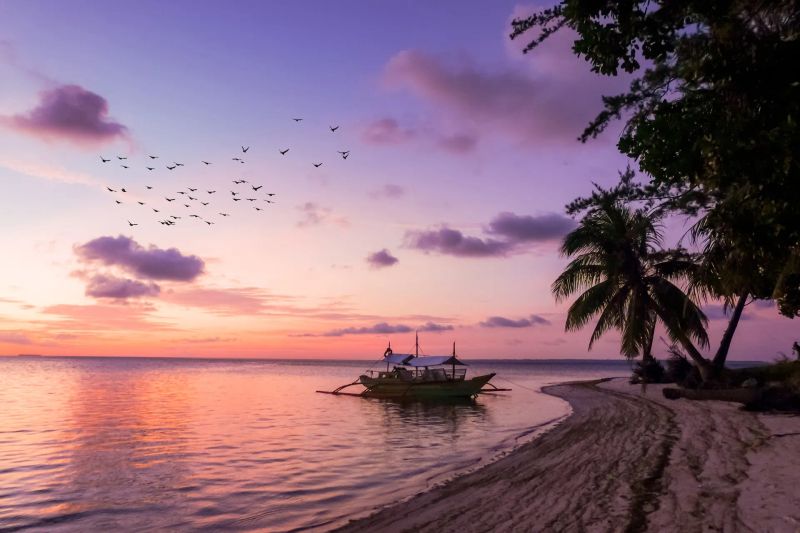
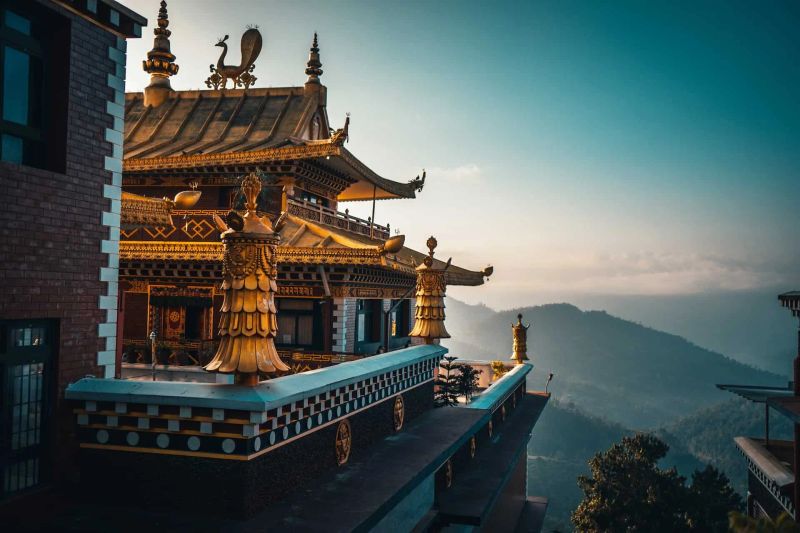
If you’re thinking about travelling alone to Southeast Asia, welcome! Here, you will find the energy boost you need for what could be the most incredible adventure of your life. After many years of travelling alone in Southeast Asia, I can tell you that it will be an experience that changes the way you see the world. I decided to travel alone for the first time, starting in Thailand, and it was one of the best decisions I have ever made. I had the good fortune to travel the vast majority of Southeast Asia alone (except for Brunei and East Timor), and I would do it again. Spoiler alert: Southeast Asia is safe to travel alone and a real treat. From my perspective, it’s the best place in the world to start. Throughout this article, I’ll tell you why and provide tips and suggestions. Of course, like anywhere in the world, you need to be cautious and travel with the best insurance for Southeast Asia, IATI Backpacker (click here if your country of residence is within the European Union or click here if your country of residence is not part of the EU). Follow me and find out what it’s like to travel alone in Southeast Asia, along with tips from a female traveller. Why travel alone to Southeast Asia? Is it safe? Is it worth it? These are the three questions most frequently asked by women considering travelling alone to Southeast Asia. To sum it up quickly: this region of the world is one of the best places to start exploring solo, and it’s also incredibly safe and worth it. Let’s start with the reasons to ignite your wanderlust. The primary reason is that Southeast Asia is one of the most exotic, intriguing, evocative, and diverse regions on the planet to visit. It’s a stark contrast to Europe, and everything will feel new and captivating. From paradise beaches to temples and pagodas, spectacular marine life to impenetrable jungles, and breathtaking archaeological complexes like Angkor, Southeast Asia is a treasure trove of surprises! Like me, you could easily spend months (or even years) exploring the region and never grow tired of it. Whether you have a few weeks or several months, it’s a fabulous destination to disconnect, immerse yourself in entirely different cultures, and fulfil your travel cravings, whatever they may be. Although I’m sure you’re aware of this, travelling to Southeast Asia on your own is relatively inexpensive. What could be a drawback in other countries, such as not wanting to stay in hostels with shared dormitories, is reasonably affordable here, even for single rooms. You can find accommodations starting from €5 per night, and if you prefer taxis over public transport at times, they are also very affordable. In short, you’ll get more value for your money compared to other parts of the world, and you won’t have to worry about extra charges or peculiarities. Moreover, Southeast Asia is a popular destination for solo backpackers or digital nomads, so it is well-prepared to cater to their needs. If you’ve never travelled alone before and are concerned about feeling lost or getting bored, Southeast Asia offers options for all types of travellers. If you want to enjoy your trip alone and have some quiet time, you can do so. But if you feel like socializing and meeting new people, you can always stay in hostels or participate in activities and tours where you’re likely to find like-minded individuals. And even though it might surprise you, throughout all the years I’ve been travelling alone in Southeast Asia, I have consistently seen more women travelling solo than men. There’s a good reason for that! On the other hand, if there’s one place in the world where you can go with the flow, plan as you go, and experience the absolute freedom you desire, it’s Southeast Asia. The range of accommodation and transportation options is extensive and affordable, so there’s no need to pack everything in advance. Lastly, I understand that safety is your primary concern. While it’s important to always be cautious, rest assured that travelling alone in Southeast Asia is safe. I’ll provide more information on this below, but genuinely, don’t hesitate to embark on this adventure! Is it safe for a woman to travel alone in Southeast Asia? When considering Southeast Asia as an ideal destination for solo travel, one of the main reasons is that it is generally a very safe and peaceful part of the world. This is not to say that other places are not suitable for solo travel, but travelling alone in Southeast Asia can be less mentally burdensome and more relaxing. Violent crime in Southeast Asia is rare. While there is a possibility of petty theft or, in unlucky cases, robbery, such incidents are not common. Sexual assaults against female travellers are also infrequent. Additionally, women may not attract as much attention, even when wearing clothing that might stand out more in other countries. However, it’s important to note that this may vary from area to area, but as a general rule, women are not the focus of excessive attention. This does not mean that caution should be disregarded. It’s always advisable to trust your instincts, avoid walking in isolated areas (especially after dark), and take precautions with valuables. Remain vigilant for scams, and overcharging by taxi or tuk-tuk drivers, and be aware of the latest travel advisories issued by the Ministry of Foreign Affairs (or equivalent) of the countries you plan to visit, as they provide information on recent hazards and dangers. On the other hand, when it comes to health, I would advise you to exercise some caution. Falling ill while travelling alone can be a bit more challenging and worrisome. So, without being overly paranoid, it’s important to be careful and use mosquito repellent. Also, be aware that drinking tap water is not recommended, and choose restaurants or street stalls where you can see a good turnover of food. The quality of healthcare infrastructure varies depending on the location. In major cities or tourist destinations, you’ll find well-equipped hospitals and clinics staffed by trained doctors. However, in rural areas, there may be more deficiencies. To ensure peace of mind, it’s highly recommended to travel with a comprehensive travel insurance policy. I always choose IATI Backpacker (click here if your country of residence is within the European Union; click here if your country of residence is not part of the European Union), a policy that offers extensive coverage for medical expenses. Additionally, it provides coverage for accidents during activities you may want to try on your trip, such as diving, snorkelling, or scuba diving. Having such insurance will offer you reassurance and protection throughout your journey. Destinations for solo travel in Southeast Asia – where should you start? I’m sure I’ve already piqued your interest, but you’re probably wondering where to begin. The answer will depend on the amount of time you have and your personal preferences, as Southeast Asia is a vast region with numerous countries, some of which are massive or consist of numerous islands that would take a lifetime to explore fully. The climate is also a factor to consider. From my experience, I would advise against getting too fixated on this aspect, as the fact that it’s the rainy season in a country doesn’t mean that it will rain every day or all the time. Far from it! I could provide an extensive list of destinations in Southeast Asia that are great for solo travel, but ultimately, they are all fantastic choices. However, here are some ideas to kick-start your planning. If you have any questions, feel free to leave a comment below, and I’ll be delighted to assist you. 1. Thailand There’s no doubt about it – Thailand always ranks at the top of the list of destinations for solo travel and good reason. It’s a safe country that is well-adapted to tourism. Thailand is easy to navigate on your own, with abundant information available on the internet. It offers a wealth of cultural, culinary, and natural experiences, making it an ideal choice for a first solo trip to Southeast Asia. I began my solo journey here, and it served as a delightful and welcoming introduction to this style of exploring the world. 2. Indonesia Who doesn’t dream of indulging in the beauty of Bali and feeling like the star of the film Eat, Pray, Love? Beyond the allure of the movie, the “Island of the Gods” and the rest of the archipelago are truly a delight for solo travellers like us. With over 17,000 islands, Indonesia offers enough to keep you busy for multiple trips, but you have to start somewhere. My recommendation is to allocate at least three weeks for a journey encompassing the highlights of Java (Yogyakarta, Bromo, and Ijen), Bali, Nusa Penida, the Gili Islands, Lombok, and Flores. While Indonesia may present some logistical challenges, it remains one of the finest destinations for solo travel in Southeast Asia. It strikes a balance between being safe, affordable, and tourist-friendly, yet not overly saturated with tourists. Moreover, it offers a wide array of attractions to explore. And let’s not forget about the incredible food! 3. Malaysia Sitting between Thailand and Indonesia in terms of infrastructure development, Malaysia is an excellent country for solo travel in Southeast Asia. The transportation system, including buses, trains, and planes, is efficient, making it easy to navigate the country without long transfers, particularly in Peninsular Malaysia. I have been fortunate to explore Malaysia on several solo trips, and I highly recommend visiting places like Penang, Melaka, Kuala Lumpur, and Pulau Kapas. For diving enthusiasts, Sipadan in Borneo is a must-visit destination. 4. Philippines I can’t be impartial because, after Spain, the Philippines is the country where I have spent the most time and developed a special fondness for it. In my opinion, the Philippine archipelago is one of the best places in Southeast Asia to travel alone. Not only is it inhabited by charming people who also speak English very well, but it also offers everything you can imagine: the finest beaches in Asia, stunning underwater seascapes, Spanish heritage found throughout, ancient rice paddies dating back more than 2,000 years, and hidden paradises that remain undiscovered by many. 5. Vietnam I conclude this selection of destinations for solo travel in Southeast Asia with a truly exotic choice: Vietnam. This country has gained significant popularity in recent years and offers a cultural experience that will leave you in awe, along with stunning landscapes and unique adventures. Vietnam is home to the iconic Halong Bay, which you will fall in love with during a one- or two-night cruise. You can also explore the breathtaking rice paddies of Sa Pa, visit the charming city of Hoi An, or experience the bustling yet fascinating capital city of Hanoi. It is true that, compared to other Southeast Asian countries, the Vietnamese may be somewhat less welcoming, and you may encounter instances of rudeness. However, Vietnam is a destination that you should visit at least once in your lifetime. Tips for travelling alone to Southeast Asia Finally, I’ll provide some practical tips for travelling alone to Southeast Asia based on my experience: • The main tip: Avoid becoming fixated on seeing everything and trying to cover too many places. It’s better to explore fewer destinations more thoroughly than to rush through numerous places. Simply enjoy the experience rather than focusing solely on ticking off destinations. • Obtain comprehensive travel insurance for Southeast Asia, such as IATI Backpacker. Knowing that you have a team of professionals who speak your language backing you up, access to quality hospitals when needed, and coverage for activities like diving or trekking gives you confidence and peace of mind. • The longer, the better! If possible, extend your vacation to spend more time in Southeast Asia. Since you’re travelling a considerable distance, having more days allows you to fully immerse yourself and make the most of your experience. • Schedule an appointment at an international vaccination center 1 or 2 months in advance to receive health advice from a doctor. While there are recommended vaccinations for travel to Southeast Asia, it’s best to consult a healthcare professional for personalized advice. • Forget about consuming tap water, but you can rely on the drinking water stations available in most Southeast Asian countries. Many restaurants provide free drinkable water, which not only saves you money but also reduces plastic waste. • Indulge in street food. Not only is it more affordable than eating in restaurants, but it is also a significant part of Southeast Asian culture. Your stomach might take a couple of days to adjust, but you will soon adapt and thoroughly enjoy the experience. Whenever possible, choose stalls that are frequented by a large number of people, as this indicates higher food turnover and freshness (and usually implies better quality). • While avoiding paranoia, take precautions against mosquito bites. In Southeast Asia, especially during the rainy season, dengue fever is prevalent (I have experienced it myself). Though it is usually not fatal, it can leave you feeling extremely unwell and often requires hospitalization. Use mosquito repellent and, most importantly, do not travel without adequate travel insurance. • Having internet access on your mobile phone is highly beneficial, allowing you to check information on the go, navigate maps, and stay connected with family and friends. To save money, it’s advisable to purchase a local SIM card in each country you visit. Generally, you can find booths of local phone companies offering competitive prices at airports. However, it’s a good idea to research in advance to determine which providers offer the best services and approximate rates. • Download the Maps. my app and the maps of the countries you will be visiting. This will prove invaluable when you don’t have an internet connection available. • Install the Grab app, which is the Uber equivalent in Southeast Asia. It will be convenient and cost-effective, particularly in large cities. • Carry a scarf or sarong and a T-shirt with sleeves (even short ones) as you may need them to enter certain temples. • Remember that the sun is much stronger in this part of the world. Apply sunscreen and, if you plan to snorkel, consider bringing a T-shirt to protect yourself from sunburn and avoid contributing to sea pollution or disturbing marine life. • Travel light – This is one of the best tips for solo travel in Southeast Asia. Not only will it be more cost-effective, especially if you plan to take domestic flights, but it will also provide you with greater comfort and freedom. If you forget or need something specific, it can often be purchased locally. Additionally, laundromats are widely available and inexpensive. More tips for solo travel in Southeast Asia: • Check the entry requirements for each country and don’t assume anything. The IATI blog provides numerous articles on each country, offering valuable information. • If you have no prior experience riding a motorbike, it’s not recommended to learn during this trip. I’ve encountered many individuals who had accidents because they were inexperienced, and their journeys were marred by this unfortunate event. There are safer alternatives for transportation throughout Southeast Asia. • Although it may seem obvious, it’s crucial not to leave valuables, documents, or money in checked luggage or the storage compartments of buses, trains, or boats. Keep your most important belongings with you at all times and ensure they remain within your sight. • Take multiple debit/credit cards and familiarize yourself with the procedures for ATM withdrawals and currency exchange in each country. It’s common to incur fees for ATM withdrawals, so it’s important to be aware of the associated costs. • While it is generally safe to travel alone in Southeast Asia as a woman, it is crucial to trust your intuition and exercise common sense. Unfortunately, individuals with malicious intent can be found anywhere, including among fellow travellers. Enjoy your trip, but also avoid putting yourself in situations that could potentially lead to more serious consequences. • As a responsible traveller, it is essential to educate yourself about the places you plan to visit and the activities you intend to engage in. Regrettably, Southeast Asia is home to many tours and activities involving animal abuse (such as fake elephant sanctuaries, whale shark feeding, or civet coffee farms) or visits to villages/tribes that are ethically questionable. It is our responsibility as travellers to seek information beforehand and make informed choices. I hope I have inspired you to embark on a solo journey to Southeast Asia! Although it might sound daunting, I wholeheartedly recommend it, and I am confident that you will have an incredible experience. If you have any questions or wish to share your travel tales, please feel free to leave them in the comments section. I’ll be delighted to read and respond. Additionally, I suggest you keep an eye on the IATI blog, where you will discover a wealth of guides about this region. These resources will assist you in planning your trip and feeling more secure. Remember, information is power! Guide written by Claudia Rodriguez, from Viajar por Filipinas. Also, don’t forget to read these articles, to help you plan your adventure: • Travel Insurance for Thailand • Travel Insurance for Indonesia

Read more
Travel Insurance for the Philippines

Travel Insurance for the Philippines

10 minutes read

What is the best travel insurance for the Philippines? The archipelago of the Philippines is a mesmerizing paradise that captivates all visitors with its endless charms. With so much to see and do there, it is only natural that you would want to explore the country while being protected with the best guarantees. Breathtaking beaches, volcanoes, charming villages, world-class diving spots, and warm-hearted locals who always greet you with a smile are just a few examples of what awaits you there. In this guide, we will provide you with information about the best insurance policy for visiting the Philippines, the extensive coverage it offers, and how you can obtain it easily. Take a moment to decide which swimwear you will bring, as you will soon have your insurance in hand and be ready to embark on this amazing adventure. Why purchase travel insurance to the Philippines A coral cut, a slip while exploring downtown Manila resulting in a sprained ankle, the common traveller’s diarrhoea that can occur from drinking untreated water, or any illness that would typically have a straightforward solution back home, could lead to seeking medical assistance in healthcare facilities with questionable reputations or incurring exorbitant bills at first-class hospitals, ultimately ruining your trip. Therefore, it is crucial to have travel insurance that provides comprehensive protection for your visit to the Philippines. Starting in February 2022, having travel insurance has transitioned from being a mere recommendation to becoming a mandatory requirement for entry into the country. With a valid policy in hand, you can ensure that you will have access to the best specialists in the country without incurring any out-of-pocket expenses. Nevertheless, an international insurance policy, like the one we will present in this guide, goes beyond just healthcare coverage. It offers comprehensive protection in all aspects of your trip. You will have coverage for theft, issues related to your luggage, incidents during flights (which are quite common in the country), and many other contingencies. Additionally, the policy provides the option of repatriation to your home country if necessary. Your travel insurance to the Philippines will encompass all of these benefits and much more. What is the best travel insurance for the Philippines? The following section will outline the essential coverages that your policy should include to ensure peace of mind during your trip. However, considering the mandatory requirement and the significance of having travel insurance, you may want to proceed with obtaining it immediately. If that is the case, we recommend IATI Backpacker as the ideal insurance for your trip to the Philippines (click here if your country of residence is within the European Union; click here if your country of residence is not part of the European Union). It offers comprehensive coverage tailored to the specific needs of travellers to this destination. What the best travel insurance for the Philippines should have: features The following are essential coverages for this incredible trip, among many others, which will be included in your IATI Backpacker policy (click here if your country of residence is within the European Union; click here if your country of residence is not part of the European Union) ensuring your well-being throughout your adventure: 24-hour assistance in your language Imagine encountering an accident, illness, or theft and having to seek assistance in a language you are not proficient in. This could lead to a loss of important details and valuable time in critical situations. With your IATI Backpacker policy, you will always have access to assistance in your language. We can even provide a translator to facilitate communication with doctors and medical professionals if needed. Our assistance services are available round the clock, 24 hours a day, 7 days a week, without any exceptions. We understand that your journey is not complete until you return home, and we want to support you at every step. Moreover, we will reimburse you for the international call cost if you contact us via phone and provide proof of the call. This ensures that you won’t have to bear the expense of making important contact during emergencies. Our assistance services are provided to you free of charge, available 24/7, and delivered in your preferred language. Extensive health care coverage First-rate medical care can be quite costly in the Philippines, even though travel expenses may not be too high. The country’s major hospitals in cities like Manila, Cebu, or Dumaguete can pose a significant financial burden for tourists. To address this concern, your IATI Backpacker Philippines insurance offers extensive healthcare coverage, providing a remarkable coverage limit of up to 500,000 euros (yes, half a million euros!). With this coverage, you can rest assured knowing that you will have access to the finest specialists in the country without having to bear any out-of-pocket expenses. Adventure sports The Philippines offers a large number of thrilling adventures that you wouldn’t want to miss. These activities not only bring you closer to nature but also provide the adrenaline rush you seek during a trip like this. From scuba diving in the Coral Triangle and snorkelling among vibrant fish to trekking to the summits of impressive volcanoes, canyoning, kayaking, cycling, and more, the options are endless. These exhilarating experiences fall under the category of adventure sports, and most standard travel insurance policies for the Philippines do not cover them. However, with the Adventure Sports coverage included in your IATI Backpacker policy, you can fully enjoy these activities and many others. Moreover, this comprehensive coverage is accompanied by “Search and Rescue” coverage, also included in your policy. This coverage ensures that you can be rescued in extreme situations, with a coverage limit of up to 15,000 euros. Now you can embrace the country to the fullest, knowing that even your most thrilling adventures will be covered and that you have the necessary support in case of any extreme situations. No deductibles and you pay nothing out of pocket Another crucial aspect to consider, often hidden in the fine print, is the presence of excess fees in many travel insurance policies for the Philippines. Do you know what this means? It means that, in the event of a claim, you would be required to pay a certain amount, known as deductibles, before the insurance coverage kicks in. For instance, if you have a deductible of 100 euros, you would have to pay the initial 100 euros for each assistance or claim you make. To illustrate this, let’s say you have a motorcycle accident requiring multiple treatment and testing visits. With a policy that works with deductibles, you would have to cover the first 100 euros of those expenses out of your pocket. However, with our travel insurance, there are no deductibles. When you acquire your IATI Backpacker policy, you can travel with peace of mind, knowing that your assistance and claims will be fully covered right from the start, without any out-of-pocket payments required. No upfront payment for medical assistance It is also essential to be cautious about certain private insurance policies that require you to pay for all the assistance you receive upfront, only to go through a lengthy and complicated process to get reimbursed. In the unfortunate event of a major incident, travelling with such insurance for the Philippines could result in you being burdened with thousands of euros in bills, potentially requiring you to finance your entire trip. At IATI, we strive to make things much simpler for you. When you require medical assistance and reach out to us, we will promptly guide you to the nearest medical center that is best suited to handle your case. Upon arrival, the medical center will be prepared for your visit, and you won’t have to worry because we will take care of the cost of the consultation, any necessary tests, hospitalization, and even the recommended medication prescribed by the doctors. If you are unable to contact us before seeking medical attention due to an emergency, there’s no need to panic. Simply send us the relevant medical bills and reports afterwards, and we will reimburse you as quickly as possible, thanks to your IATI Backpacker policy (click here if your country of residence is within the European Union; click here if your country of residence is not part of the European Union). Luggage loss and theft included Although it is a relatively safe country, you can be subject to theft or encounter issues with your luggage anywhere in the world, especially during your trip to the Philippines. IATI Backpacker is the best travel insurance for the Philippines because it provides extensive coverage beyond health. You will have excellent coverage for various situations, including: • Displacement of a family member: Up to 600 euros. • Convalescence in a hotel: Up to 840 euros. • Theft and damage to luggage: Up to 1,500 euros. • Delay in the departure of transportation: Up to 270 euros. • Private civil liability: Up to 60,000 euros. Rest assured that with IATI Backpacker, you will be protected against health-related incidents and other potential issues you may encounter during your trip. Cancellation option – Cancelling your trip to the Philippines When purchasing plane tickets, booking accommodations, and arranging excursions or services for your trip, it’s natural to have concerns about what would happen if you had to cancel. You might wonder, “If I need to cancel my trip to the Philippines, would I lose all the money I’ve invested?” At IATI, we have been the leading provider of travel insurance for over 135 years, constantly evolving to meet your needs. As pioneers in the industry, we introduced the Travel Cancellation Supplement. With this option, if you need to cancel your trip for any of the specified reasons, we will reimburse you up to 2,000 euros for expenses that you cannot recover directly from your official suppliers. This popular add-on, favoured by thousands of travellers, is just one click away when you purchase your international policy for the Philippines. Philippines Travel Insurance Coverage As you have just seen, IATI Backpacker is the most comprehensive travel insurance for the Philippines, designed to provide detailed coverage for all aspects of such an adventure. In this table, you can visually see the figures for the main coverages we mentioned earlier. However, this policy includes many other coverages that you may find interesting, which you can easily review on the IATI Backpacker page (click here if your country of residence is within the European Union; click here if your country of residence is not part of the European Union). How much does travel insurance to the Philippines cost? The excellent value for money confirms that this is the best international travel insurance for this destination. As shown here, the cost represents a small portion of your Philippines travel budget, but it provides significant savings in case you require assistance during your visit. IATI Backpacker for residents of the EU: IATI Backpacker for non-residents of the EU: How to hire the best travel insurance for the Philippines Getting travel insurance for the Philippines through the intuitive menu of IATI is easy. Now that you know that IATI Backpacker is the policy you need, follow these simple steps: In the menu, you must fill in the following fields: • The origin of your trip • The destination of your trip • Start and end dates of your trip • Number of travellers • Type of insurance: travel insurance After filling in the menu fields and clicking on “Ge a quote”, just choose your IATI Backpacker and click on “Contract”. This is when you can activate the Cancellation Supplement we mentioned earlier, which will cover you if you must cancel your trip for any of the reasons established in the conditions. Fill in your data, make the payment and you will receive in your email the details of your contracted travel insurance and the way to contact us if you need any kind of assistance. Isn’t it super easy to get your insurance to travel to the Philippines? Useful information for safe travel to the Philippines Best time to travel to the Philippines The Philippines has diverse climate zones throughout the country. While July may bring rain to Siargao, it can be a favourable time to visit destinations like El Nido or Coron. When planning your trip and creating an itinerary, it is highly recommended to research the optimal time of year for each specific location you intend to visit. Health in the Philippines With the exception of major cities, it is not uncommon to find yourself in low-quality medical facilities if you are unaware of the proper options. Besides, the top-quality and recommended facilities can be expensive for foreigners. This is why it is crucial to have a comprehensive international medical policy. IATI Backpacker is the best option for the Philippines, providing coverage not only for health-related matters but also for incidents such as theft, flight issues, luggage problems, and more. Don’t hesitate to get it now.

Read more