
IATI Blog
Prepare Your Snow Trip: Ultimate Guide

Prepare Your Snow Trip: Ultimate Guide

5 minutes read

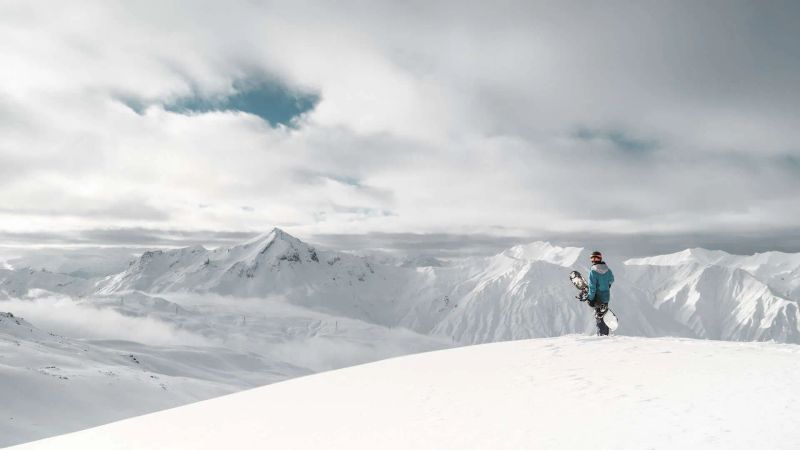
As winter approaches, the call of a snowy getaway becomes irresistible for many. The pristine landscapes, thrilling ski slopes, and a plethora of winter activities create a unique experience that draws travelers of all ages. However, embarking on a snow trip requires meticulous preparation to ensure safety and make the most of your adventure. In this comprehensive guide, we will take you through the essential steps of preparing for your trip to the snow, including tips on choosing the best destination, packing the right gear, and the significance of securing snow travel insurance. Choosing the perfect destination for your snow trip The initial step is selecting a destination that aligns with your preferences and interests, making your trip to the snow truly memorable. Whether you already have a destination in mind or are open to suggestions, we’ll introduce you to some renowned snow destinations. Snow destinations in Europe In Europe, numerous snow destinations beckon skiing enthusiasts from around the world, offering diverse experiences. The European Alps, weaving through countries such as France, Austria, Switzerland, and Italy, emerge as a popular choice, boasting colossal mountains, numerous ski resorts, and charming alpine villages. Other European destinations, including the Pyrenees in Spain and Andorra, as well as Scandinavia, Norway, and Sweden, promise skiing against arctic backdrops and the enchantment of witnessing the Northern Lights. Snow destinations beyond Europe Outside Europe, an array of equally captivating snow destinations awaits your exploration. The Rocky Mountains in the western United States and Canada stand out for their challenging slopes and breathtaking landscapes. In Japan, destinations like Niseko and Hakuba offer a unique blend of exceptional snowfall and the opportunity to immerse yourself in Japanese culture. New Zealand, particularly Queenstown and Wanaka, provides a southern hemisphere skiing experience with thrilling winter sports and awe-inspiring scenery. While these destinations are well-known, there are many more waiting to be discovered, catering to various levels of skiing and snowboarding expertise and personal preferences. Considerations when choosing your perfect snow trip destination Selecting the ideal destination is a pivotal part of preparing for your snow trip. Consider the following aspects: 1. Experience level: Ensure the chosen destination offers slopes suitable for your skill level. Some ski resorts are beginner-friendly, while others provide more challenging terrain for experienced individuals. 1. Budget: Costs vary by destination. Renowned ski resorts may be more expensive, while lesser-known destinations can offer a more budget-friendly experience. 1. Additional interests: Consider activities beyond skiing, such as spa experiences, exquisite dining, vibrant nightlife, and cultural excursions. 1. Travel season: The timing of your trip is crucial. Snow destinations have different peak seasons, and snow availability can vary. Research the best time for skiing or snowboarding at your chosen destination. Best time to travel to the snow The ideal time for your snow trip depends on the chosen destination. Generally, the “winter season” starts in December and extends until March in many destinations. However, be mindful that the weeks around Christmas and New Year’s are typically crowded, with higher prices and fully booked ski resorts. The period from mid-January to mid-February is often considered optimal for enjoying ideal snow conditions and avoiding crowds. If you prefer skiing in milder temperatures, spring (March and April) can be an excellent option. However, keep in mind that snow may be scarcer, depending on the destination and climate. Packing the right equipment for your snow trip This guide wouldn’t be complete without addressing the essential equipment you should bring. Consider the following for a comfortable and enjoyable snow experience: Essential snow clothing Pack suitable clothing to stay warm and dry in lower temperatures. This includes waterproof jackets, snow pants, thermal layers, gloves, hats, scarves, and water-resistant boots. Opt for clothing that provides thermal insulation and wind resistance, essential for braving the mountain cold. Even during the warmer hours when the sun reflects on the snow, having layered clothing for all weather conditions is essential. Ski or snowboard equipment If you plan to ski or snowboard, selecting the appropriate equipment is fundamental. For skiing, you’ll need skis, poles, and ski boots, while for snowboarding, only a board and specific boots are necessary. Ensure your equipment is in good condition and suits your skill level. If you don’t have your equipment, don’t worry—almost every resort offers rental services where technicians and instructors can help you choose the best sizes and materials for your experience level. The importance of sun protection Many people underestimate the importance of sun protection during a snow trip. The snow reflects sunlight intensely, increasing the risk of sunburns. Utilize high-quality sunscreen, UV-protective sunglasses, and a hat or beanie to shield your skin and eyes, ensuring you enjoy sunny days on the mountain worry-free. Snow Travel Insurance for a Secure Snow Trip If you’re considering a snow trip, an essential step in your preparation guide is securing comprehensive travel insurance. Ensure you are protected in cases of accidents, luggage loss, medical assistance, and more. It’s crucial for traveling with peace of mind and fully enjoying this magnificent journey. The best policy for these types of trips is the IATI Total Comfort with the adventure sports supplement. It is our most comprehensive international travel insurance, offering one of the highest medical expense coverages in the market and the highest limits in its wide range of complementary coverages. It also includes a complete adventure package that can be added to your policy, even for winter sports or high-altitude trekking. Ski and Snowboard Lessons for Your Confident Snow Trip Whether you’re a beginner seeking a solid foundation or an experienced athlete looking to improve technique, consider taking lessons. Qualified instructors at resorts can customize lessons to meet your needs and goals, whether it’s learning basic techniques, refining advanced skills, or gaining confidence on the slopes. Regardless of your experience level, ski lessons are essential to ensure a safe and rewarding experience in the mountains. We hope this comprehensive guide has assisted you in planning your ultimate trip to the snow. If you have any questions or seek further advice, feel free to leave them in the comments.

Read more
What to do in Florence: 10 must-sees

What to do in Florence: 10 must-sees

4 minutes read

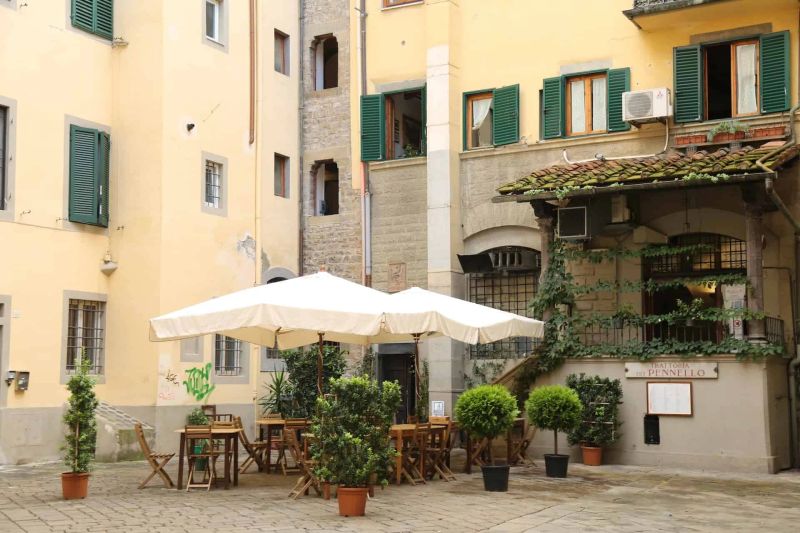
In Italy, it’s hard not to fall head over heels for its stunning scenery, food, and cities bursting with history. That’s why, at IATI Travel Insurance, we’re excited to recommend exploring all the wonders Florence has to offer – it’s one of Italy’s most beautiful cities and the birthplace of the Renaissance. What to do in Florence • Visit the Duomo and marvel at its dome. It took 170 years to build, mainly due to the dome’s complexity. The dome is the cathedral’s true gem, so be sure to go up and get a closer look. • Climb Giotto’s Bell Tower (Campanile di Giotto) for incredible views. This bell tower rises over 80 meters high, and you’ll need to conquer 414 steps to reach the top. It’s not for the faint-hearted, but the effort is well worth it. • Take a leisurely walk around the Baptistery and discover the Gates of Paradise, a celebrated Renaissance masterpiece. • Explore the vast Santa Croce Basilica, the world’s largest Catholic and Franciscan church. It’s located in charming Piazza Santa Croce and can get quite lively on warm summer evenings. • Marvel at the Uffizi Gallery, home to the world’s finest collection of Renaissance paintings. Consider a guided tour to immerse yourself in the Medici family’s artistic legacy, as they entrusted these treasures to Florence with the condition that they remain in the city. • Don’t miss a stroll across the iconic Ponte Vecchio. It’s a must in Florence, not only for its impressive architecture but also for the many jewellery shops on both sides of the bridge. • In the past, the shops that now display luxury goods were once meat and fish markets. When the Vasari Corridor was built over the bridge, connecting the Pitti Palace to the Vecchio, they aimed to enhance the bridge’s status and banned the sale of animals. • Explore Florence’s largest building, the Pitti Palace. Similar to the Uffizi, this palace was owned by the Medici family, and some of their art collections are on display inside. This complex includes five museums and the expansive Boboli Gardens. • Capture a photo of Michelangelo’s original David at the Galleria dell’Accademia. The marvel of this five-meter-tall sculpture is that the artist sculpted it using only a chisel. Another fun activity in Florence is hunting for replicas of this sculpture. You can find one in Piazza della Signoria and another in Piazzale Michelangelo. • Visit Piazza della Signoria, Florence’s historic square. Throughout history, it has been a central place for public buildings and gatherings, including festivals, protests, and even executions. In this square, you’ll discover two of Florence’s most famous landmarks: the Palazzo Vecchio and the Loggia della Signoria. • The former was built as the city’s government seat and still serves that purpose today. The Loggia is an open-air area adorned with sculptures from the Medici collection. • When considering what to do in Florence, be sure to spend an evening witnessing the sunset at Piazzale Michelangelo. It offers the city’s best views, and the sunset ambience is truly unmatched. While it can get crowded with tourists, the magic remains undiminished – there’s enough space for everyone! What to Eat in Florence: • Enjoy Bistecca alla Fiorentina with a Fine Chianti Wine: Bistecca is a thick, juicy beef steak grilled to perfection. It’s a treat for meat enthusiasts, typically weighing around a kilogram and served rarely. Chianti wine, on the other hand, is one of Tuscany’s and the world’s most prestigious red wines. • Experience a Traditional Italian “Aperitivo”: While in Florence, take a stroll through Oltrarno’s charming streets, explore its quaint bookshops, and soak in the lively market atmosphere before sunset. “Aperitivo” is Italy’s version of after-work drinks. Leave your work behind, order an Aperol Spritz cocktail, and savour a buffet of delicious Italian dishes. Can you think of a better way to spend your late afternoon? • Indulge in Italian Gelato: When in Italy, indulging in gelato is a must. In Florence, we recommend trying Vivoli for classic gelato flavours. Alternatively, at Cantina del Gelato, you’ll discover more adventurous options like Gorgonzola cheese and walnut or goat cheese flavours. Can you think of anything else to do in Florence that we shouldn’t miss? Use the hashtag #iatiworldwide in your photos and share with us! We can’t wait to see pictures of one of the most beautiful and artistic cities in Europe!

Read more